Is Pasta Healthy? Yes, If You Stop Treating It Like a Bottomless Bowl
Pasta has survived low-fat, low-carb and everything in between. The noodle is rarely the problem; the portion and the sauce usually are.
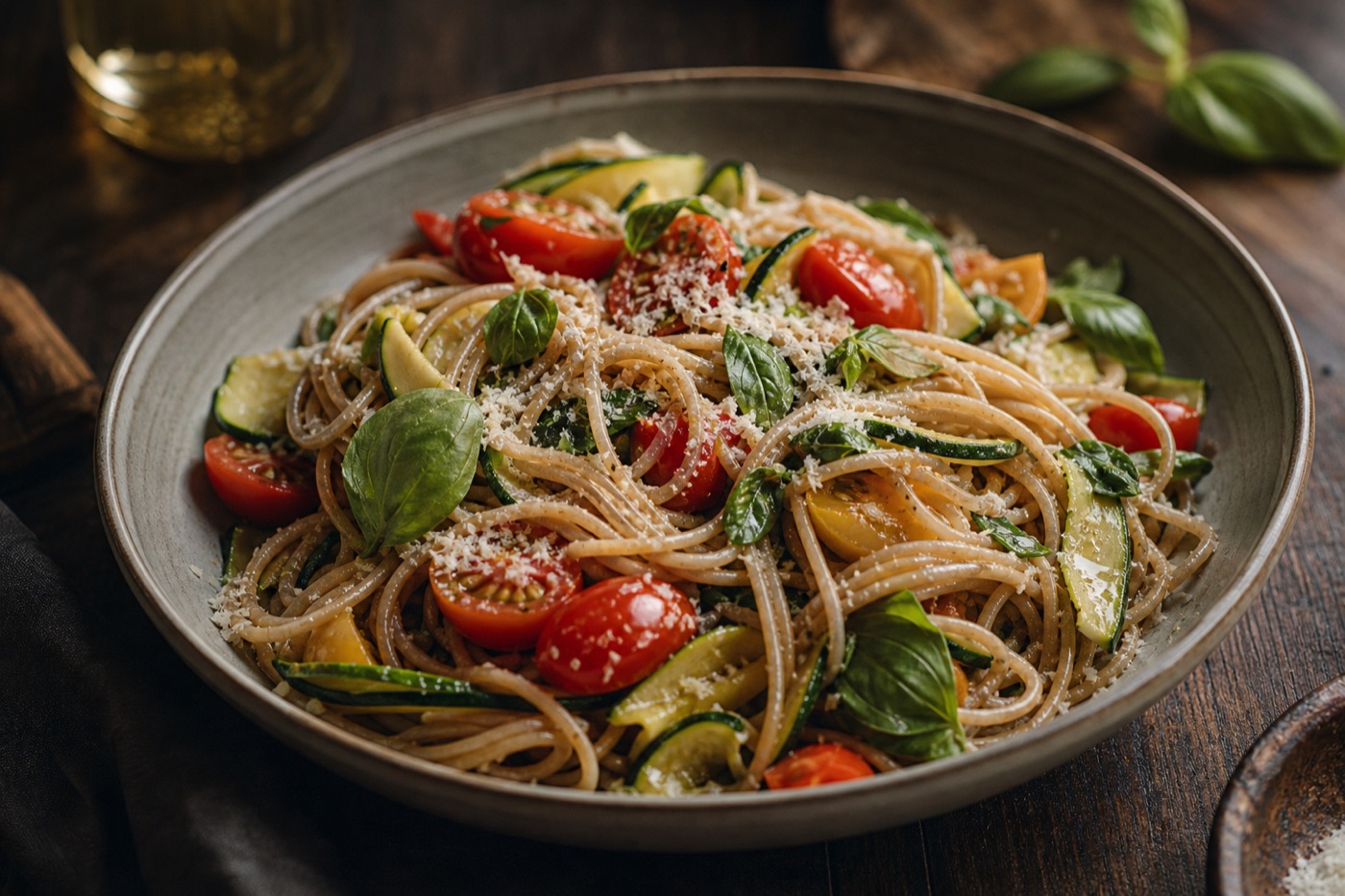
Pasta is healthy enough to eat regularly, provided it plays a supporting role rather than filling the whole plate. A cup of cooked pasta is a modest, low-fat source of carbohydrate with a little protein. Trouble arrives in the form of three-cup portions drenched in cream, butter and cheese.
What’s in it
One cup of cooked enriched spaghetti (about 140 g) has around 220 calories, roughly 43 grams of carbohydrate, about 8 grams of protein, around 2.5 grams of fiber and only about a gram of fat, based on typical USDA FoodData Central values. Like most refined grain products in the United States, dried pasta is usually enriched with iron, folic acid and several B vitamins.
Whole-wheat spaghetti changes the profile in useful ways. A cup cooked has around 175 calories, about 7 grams of protein and roughly 6 grams of fiber. It also keeps more of the magnesium, zinc and other minerals found in the bran.
On the package, a serving is usually 2 ounces (56 g) of dry pasta, which cooks up to about a cup. Many of us boil double that per person without thinking.
The good
It holds together. Dried pasta is made from dense durum wheat dough, and its compact structure means it tends to be digested more slowly than a fluffy slice of white bread made from similar flour. Cooking it al dente helps keep it that way.
It is a vehicle for vegetables. Few foods take tomatoes, greens, zucchini, peppers and beans as happily as pasta. A pan of roasted vegetables tossed with a cup of noodles can feel more generous than three cups of plain spaghetti. For ideas, see our guide on how to eat more vegetables.
It is cheap and keeps forever. A box sits in the pantry for months and becomes dinner in 12 minutes. That reliability is a quiet health benefit on nights when takeout is calling.
It plays well with good fats. A spoonful of olive oil, garlic and herbs is the backbone of many classic dishes, and it is a better choice than a cream base. Our look at olive oil explains why.
The catch
Portion drift. Restaurant pasta plates commonly hold two to three cups of noodles, which means 450 to 650 calories before sauce.
Sauce math. Cream sauces, butter-heavy dishes and baked pasta loaded with cheese can add hundreds of calories and a lot of saturated fat. Jarred sauces vary widely in sodium and added sugar, so the label is worth a glance.
Refined grain. Regular pasta is not a whole grain. The Dietary Guidelines for Americans recommend that at least half your grains be whole, so if white pasta is a nightly habit, a switch some of the time helps.
Easy to eat fast. Soft, warm and salty, a big bowl can vanish before your fullness signals arrive.
How to eat it well
- Weigh dry pasta once. Two ounces per person looks small in the box. Seeing it once resets your instinct.
- Flip the ratio. Aim for equal volumes of cooked pasta and vegetables, or more vegetables than pasta.
- Add protein. Beans, lentils, shrimp, chicken, tuna or an egg turn a side of noodles into a balanced dinner.
- Lighten the sauce. Tomato-based sauces, pesto in small amounts, or olive oil with lemon and garlic carry flavor without the weight of cream. Use a strong cheese sparingly rather than a pile of a mild one; we break down the options in is cheese healthy.
- Try new shapes. Whole-wheat, legume-based or half-and-half blends give you more fiber and protein. Start with short shapes like penne, where texture differences are less obvious.
- Save the pasta water. A splash of starchy water makes a small amount of sauce cling and coat, so you need less of it.
Who should go easy
People with celiac disease must avoid wheat pasta entirely and should choose certified gluten-free versions. Anyone with diabetes or prediabetes should talk to their doctor or a registered dietitian about carbohydrate portions and pairings. If you are comparing starches for a specific plan, our pieces on white rice and potatoes may help.
The verdict
Pasta is a perfectly healthy food in a sensible portion. Cook about a cup per person, keep it al dente, choose whole-wheat or legume pasta when you can, and let vegetables and a lean protein share the bowl. The noodle was never the villain.
Your questions, answered
- Is pasta bad for weight loss?
- No single food causes weight gain. Pasta is moderate in calories per cup, but restaurant and home portions often run two to three cups with rich sauce. A one-cup portion with vegetables and a lean protein fits comfortably into a weight-loss plan.
- Is whole-wheat pasta healthier?
- It has more than twice the fiber of regular pasta, plus more magnesium and other nutrients from the bran, and it counts as a whole grain. The texture is firmer and nuttier. A half-and-half mix is a good way to start if you are not used to it.
- Is pasta better cooked al dente?
- Firm-cooked pasta tends to be digested a little more slowly than soft, overcooked pasta, which may mean a gentler rise in blood sugar. It also simply tastes better and holds sauce well. Check it a minute or two before the package time.
- Are bean or lentil pastas healthier?
- Pastas made from chickpeas, lentils or other legumes usually have more protein and fiber than wheat pasta. Calories are similar. They can be a useful swap, particularly for people who want more plant protein, though some find the texture softer.
Sources
General information, not medical advice. If a food decision depends on your health, talk to a doctor or registered dietitian.
Clara runs The Healthy Eaters and edits every verdict before it goes out. She likes food writing that answers the question in the first paragraph.
More from Clara
More from The Healthy Eaters
- Are Almonds Healthy? A Handful With Surprising Range
Almonds bring vitamin E, magnesium, fiber and good fats in a pocket-sized package. The only real trick is knowing when a handful becomes a bagful. - Are Bananas Healthy? The Case for Fruit's Most Portable Snack
Bananas get side-eye for their sugar and carbs. Here is what one actually contains, why ripeness changes the picture, and who should keep count. - Are Eggs Healthy? The Cholesterol Question, Cracked Open
Eggs have been nutrition's favorite villain and its favorite hero, sometimes in the same decade. Here is where the evidence sits now, and what goes on the plate beside them. - Are Potatoes Healthy? Rescuing the Spud From Its Reputation
The humble potato is richer in potassium and vitamin C than most people assume. How it gets to your plate matters far more than the potato itself.