Is White Rice Healthy? A Fair Hearing for the World's Staple
Half the planet eats it daily, yet white rice is often treated as a nutritional dead end. The truth is more useful: it depends on the bowl it lands in.
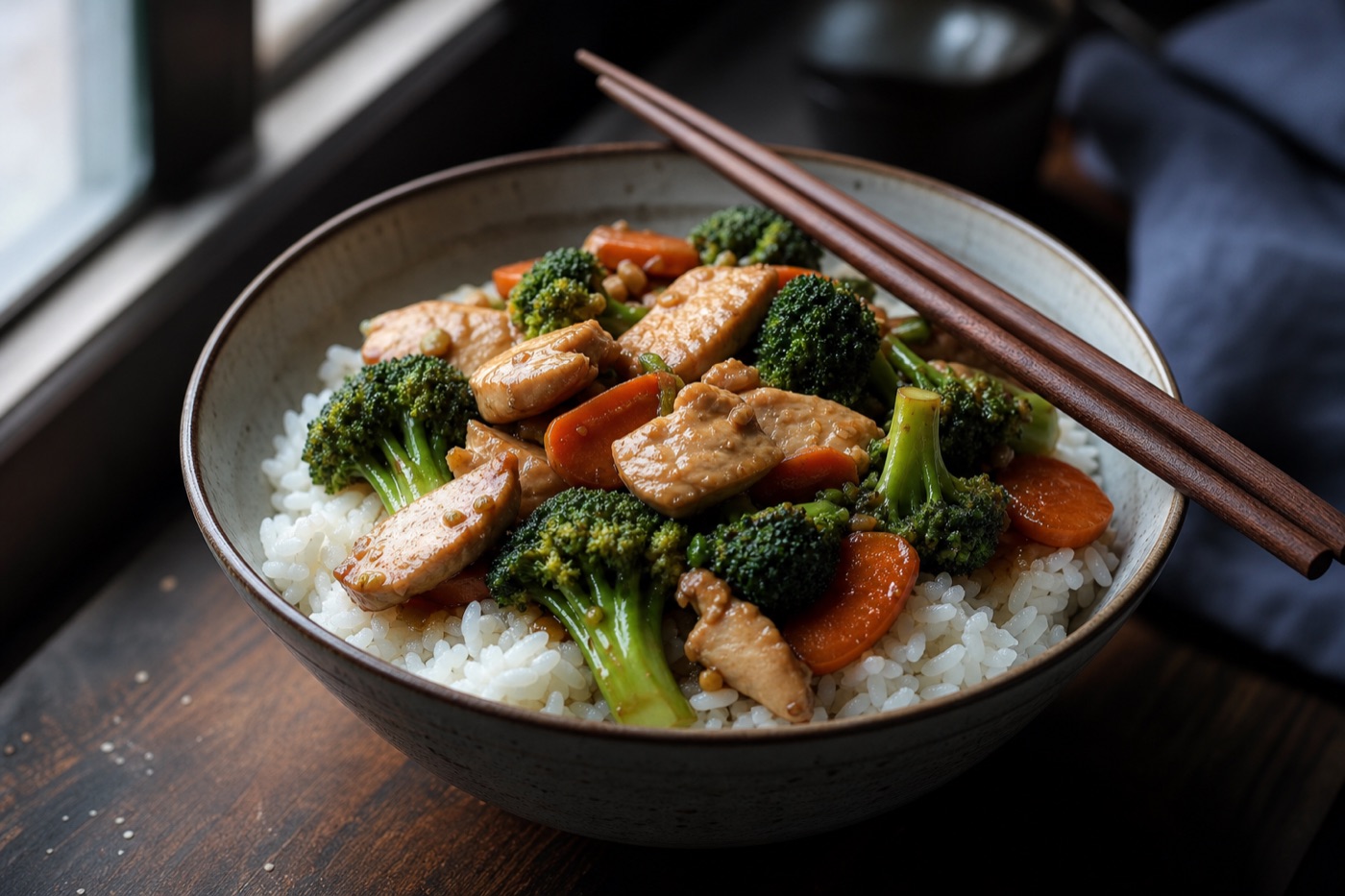
White rice is not a health food, and it is not a hazard either. It is a clean-tasting, low-fat source of energy that billions of people eat every day. Its weaknesses are low fiber and a quick hit to blood sugar, which is why what you put on top of it matters more than the rice itself.
What’s in it
One cup of cooked, enriched long-grain white rice (about 158 g) has roughly 205 calories, about 45 grams of carbohydrate, about 4 grams of protein, and under a gram each of fat and fiber, based on typical USDA FoodData Central values.
Milling removes the bran and germ, which takes much of the fiber, magnesium and vitamin E along with them. To offset that, most white rice sold in the United States is enriched with thiamin, niacin, folic acid and iron. That is why the folate on a bag of white rice can look surprisingly respectable.
The good
Easy on the stomach. Low fiber is a drawback most days, but it also makes white rice gentle to digest. That is why it shows up in bland diets during stomach bugs and is a common pre-race meal for endurance athletes.
A blank canvas for good food. Rice carries vegetables, beans, fish and sauces better than almost anything. A bowl that is half vegetables, a quarter rice and a quarter protein is a balanced meal in every cuisine that uses it.
Gluten-free and cheap. For people avoiding gluten for medical reasons, plain rice is a reliable, affordable staple.
Enrichment helps. In diets low in other grains, enriched rice contributes meaningful folic acid and iron.
The catch
Low fiber, fast sugar. Without the bran, the starch in white rice breaks down quickly, so blood sugar rises faster than it does with most whole grains. Sticky short-grain varieties tend to have the biggest effect; basmati and parboiled rice tend to be gentler. Cooling cooked rice and reheating it also increases its resistant starch somewhat.
Not a whole grain. The Dietary Guidelines for Americans suggest making at least half your grains whole. If white rice is your main grain at every meal, that target gets hard to reach.
Portion drift. A restaurant takeout container can hold two to three cups, which is 400 to 600 calories before anything else goes on top.
Arsenic. Rice plants take up more inorganic arsenic from soil and water than other grains do. The FDA recommends eating a variety of grains and notes that cooking rice in a generous amount of water and draining off the excess, pasta-style, lowers arsenic content. That method also washes away some of the added B vitamins, so it is a trade-off.
How to eat it well
- Rebalance the bowl. Aim for vegetables to take up at least as much space as the rice. Our guide on how to eat more vegetables has easy ways to get there.
- Add protein and fat. Eggs, tofu, beans, chicken or a fillet of fish slow digestion and make the meal last longer. Rice and salmon is an easy weeknight pairing.
- Go half and half. Cook white and brown rice together, or mix in quinoa, barley or lentils. You keep the texture you like and add fiber.
- Measure once. Scoop a cup of cooked rice onto your usual plate so you know what it looks like.
- Handle leftovers carefully. Refrigerate cooked rice within two hours and reheat it until steaming.
Weighing rice against other starches? We have also looked at pasta and potatoes.
Who should go easy
People with diabetes or prediabetes should talk with their doctor or a registered dietitian about carbohydrate portions, since white rice can raise blood sugar quickly. Parents feeding infants should ask their pediatrician about offering a range of cereals rather than relying on rice cereal alone. If you are following a high-fiber plan for digestive health, brown rice or other whole grains will usually serve you better.
The verdict
White rice is a perfectly good food that becomes a great meal with the right company. Keep the portion sensible, cook it in plenty of water now and then, mix in whole grains when you can, and let vegetables and protein do the heavy lifting.
Your questions, answered
- Is white rice bad for weight loss?
- Not by itself. A cup has about 205 calories and almost no fat, but it is low in fiber, so it is easy to eat a lot without feeling full. Pairing a moderate portion with vegetables and protein makes it more satisfying.
- Is brown rice healthier than white rice?
- Brown rice keeps the bran and germ, so it has more fiber, magnesium and other nutrients, and it counts as a whole grain. White rice is often enriched with some B vitamins and iron. Both can fit, and mixing the two is a reasonable compromise.
- Should I worry about arsenic in rice?
- Rice tends to absorb more inorganic arsenic from soil and water than other grains. The FDA suggests eating a variety of grains, and notes that cooking rice in plenty of extra water and draining it can reduce arsenic levels. Parents of infants should ask their pediatrician about varying cereals.
- Is reheated rice safe?
- Yes, if it was handled well. Refrigerate cooked rice within two hours, eat leftovers within a few days, and reheat until steaming hot. Rice left at room temperature for long periods can grow bacteria that cause food poisoning.
Sources
- USDA FoodData Central
- MyPlate (USDA)
- U.S. Food and Drug Administration
- Harvard T.H. Chan School of Public Health, The Nutrition Source
General information, not medical advice. If a food decision depends on your health, talk to a doctor or registered dietitian.
Nell writes the How-To guides: budgets, grocery lists, eating out and fitting good food into a busy week.
More from Nell
More from The Healthy Eaters
- Are Almonds Healthy? A Handful With Surprising Range
Almonds bring vitamin E, magnesium, fiber and good fats in a pocket-sized package. The only real trick is knowing when a handful becomes a bagful. - Are Bananas Healthy? The Case for Fruit's Most Portable Snack
Bananas get side-eye for their sugar and carbs. Here is what one actually contains, why ripeness changes the picture, and who should keep count. - Are Eggs Healthy? The Cholesterol Question, Cracked Open
Eggs have been nutrition's favorite villain and its favorite hero, sometimes in the same decade. Here is where the evidence sits now, and what goes on the plate beside them. - Are Potatoes Healthy? Rescuing the Spud From Its Reputation
The humble potato is richer in potassium and vitamin C than most people assume. How it gets to your plate matters far more than the potato itself.