Are Potatoes Healthy? Rescuing the Spud From Its Reputation
The humble potato is richer in potassium and vitamin C than most people assume. How it gets to your plate matters far more than the potato itself.
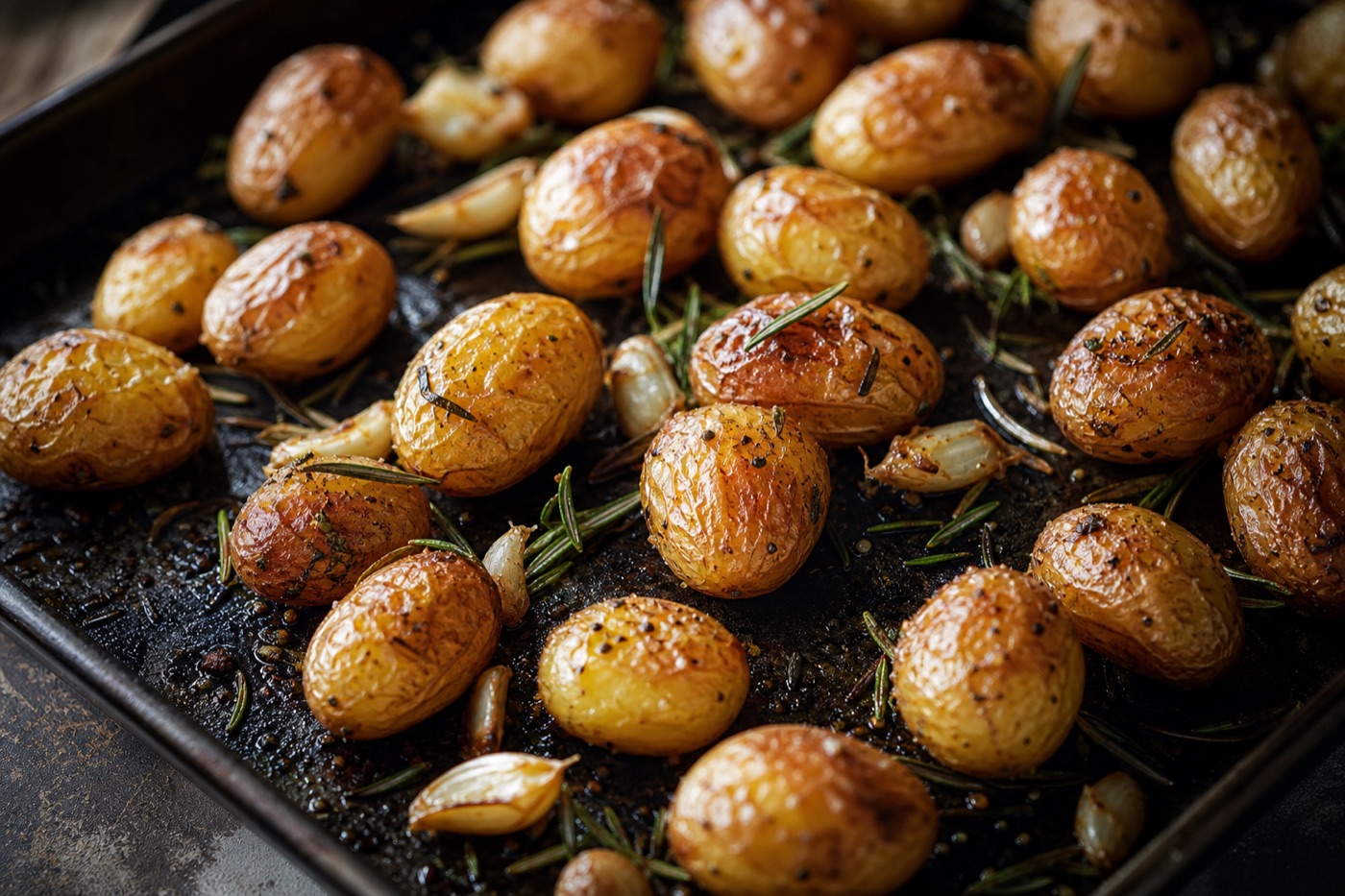
Potatoes are healthy. A plain potato, skin on, is a cheap, filling source of potassium, vitamin C and fiber. What gives potatoes a bad name is the company they keep: the fryer, the butter dish and the sour cream tub.
What’s in it
A medium russet potato baked with its skin (about 173 g) contains around 165 calories, about 37 grams of carbohydrate, about 4 grams of fiber and roughly 4.5 grams of protein, with almost no fat, based on typical USDA FoodData Central values. It also delivers around 950 milligrams of potassium, about 14 milligrams of vitamin C and a good dose of vitamin B6.
For comparison, a medium banana has roughly 420 milligrams of potassium. The potato more than doubles it.
MyPlate classifies potatoes as a starchy vegetable, a subgroup that sits alongside corn and green peas.
The good
Potassium powerhouse. Potassium helps counter the effect of sodium on blood pressure, and many people do not get enough. A single potato provides a substantial portion of the daily target.
Filling for the calories. Boiled and baked potatoes are dense with water and starch, which makes them surprisingly satisfying. A potato-based meal can feel hearty without being heavy.
Fiber in the skin. Much of the fiber sits in and just under the skin. Leaving it on is the easiest upgrade in the kitchen.
Resistant starch after cooling. When cooked potatoes are chilled, some of their starch reorganizes into resistant starch, which digests more slowly and behaves partly like fiber. Potato salad and reheated roast potatoes get a small bonus.
Cheap and long-lasting. A sack of potatoes stored in a cool, dark place lasts for weeks, which makes them a mainstay of our guide on eating healthy on a budget.
The catch
Frying changes everything. Deep-fried potatoes soak up oil, so fries and chips carry several times the calories and much more fat and sodium than a plain potato of the same weight. A large serving of fries can rival a full meal in calories.
The topping pile. Butter, sour cream, cheese and bacon can more than double the calories of a baked potato and add saturated fat and sodium.
Blood sugar. Potatoes, especially mashed or eaten hot on their own, can raise blood sugar quickly. Pairing them with protein, fat and non-starchy vegetables slows that down.
Acrylamide. This compound forms when starchy foods are fried, roasted or baked at high heat until dark brown. The FDA suggests cooking potatoes to a golden color rather than deep brown as one way to reduce it.
Green spots and sprouts. Green patches and sprouts can contain solanine, a natural compound that can cause stomach upset in larger amounts. Cut them away, and discard potatoes that are very green.
How to eat it well
- Bake, roast or boil. Toss chunks in a tablespoon of olive oil with herbs and roast until golden. Our verdict on olive oil explains why it is a smart fat here.
- Keep the skin. Scrub well and leave it on for mash, roast potatoes and wedges.
- Swap your toppings. Plain Greek yogurt with chives stands in for sour cream with more protein; see is Greek yogurt healthy. Salsa, beans, sautéed greens and a little sharp cheese also work.
- Build a balanced plate. Let potatoes fill about a quarter of the plate, with vegetables taking half and protein the rest.
- Try the air fryer. It gives crisp edges with a fraction of the oil used for deep frying.
- Cool some for later. Make extra, chill it and use it in salads or hash.
If you are weighing starches, see how potatoes compare with white rice.
Who should go easy
People with kidney disease often need to limit potassium and should ask a registered dietitian about potatoes; soaking or double-boiling methods are sometimes recommended, but only under professional guidance. People with diabetes or prediabetes should talk with their doctor or dietitian about portions and pairings. Anyone watching sodium should go easy on chips, fries and instant mashed potatoes.
The verdict
The potato is a nutritious, affordable vegetable that has been unfairly blamed for what we do to it. Bake, roast or boil it, keep the skin, choose lighter toppings and let it share the plate with vegetables and protein. Save fries for the occasional treat.
Your questions, answered
- Are potatoes bad for weight loss?
- Not in themselves. A plain baked potato is filling and has about 165 calories. The calories climb with frying, butter, sour cream, cheese and bacon. A potato with vegetables and a lean protein can fit well into a weight-loss plan.
- Are sweet potatoes healthier than white potatoes?
- They are different. Sweet potatoes are far richer in vitamin A from beta-carotene, while white potatoes often supply more potassium. Both offer fiber, especially with the skin. Rotating them is a good approach.
- Should I eat potato skin?
- Yes, if you can. The skin holds a good share of the fiber and some of the minerals. Scrub potatoes well, and cut away any green patches or sprouts before cooking.
- Are potatoes bad for people with diabetes?
- Potatoes can raise blood sugar fairly quickly, especially when mashed or eaten hot on their own. People with diabetes can often include them in measured portions alongside protein, fat and non-starchy vegetables, ideally with guidance from a doctor or registered dietitian.
Sources
- USDA FoodData Central
- MyPlate (USDA)
- U.S. Food and Drug Administration
- Harvard T.H. Chan School of Public Health, The Nutrition Source
General information, not medical advice. If a food decision depends on your health, talk to a doctor or registered dietitian.
Nell writes the How-To guides: budgets, grocery lists, eating out and fitting good food into a busy week.
More from Nell
More from The Healthy Eaters
- Are Almonds Healthy? A Handful With Surprising Range
Almonds bring vitamin E, magnesium, fiber and good fats in a pocket-sized package. The only real trick is knowing when a handful becomes a bagful. - Are Bananas Healthy? The Case for Fruit's Most Portable Snack
Bananas get side-eye for their sugar and carbs. Here is what one actually contains, why ripeness changes the picture, and who should keep count. - Are Eggs Healthy? The Cholesterol Question, Cracked Open
Eggs have been nutrition's favorite villain and its favorite hero, sometimes in the same decade. Here is where the evidence sits now, and what goes on the plate beside them. - Is Avocado Healthy? Yes, and Here Is How Much Counts as a Serving
Avocado is the rare trendy food that lives up to the hype. It is also rich enough that a whole one on toast is a bigger deal than it looks.