Are Bananas Healthy? The Case for Fruit's Most Portable Snack
Bananas get side-eye for their sugar and carbs. Here is what one actually contains, why ripeness changes the picture, and who should keep count.
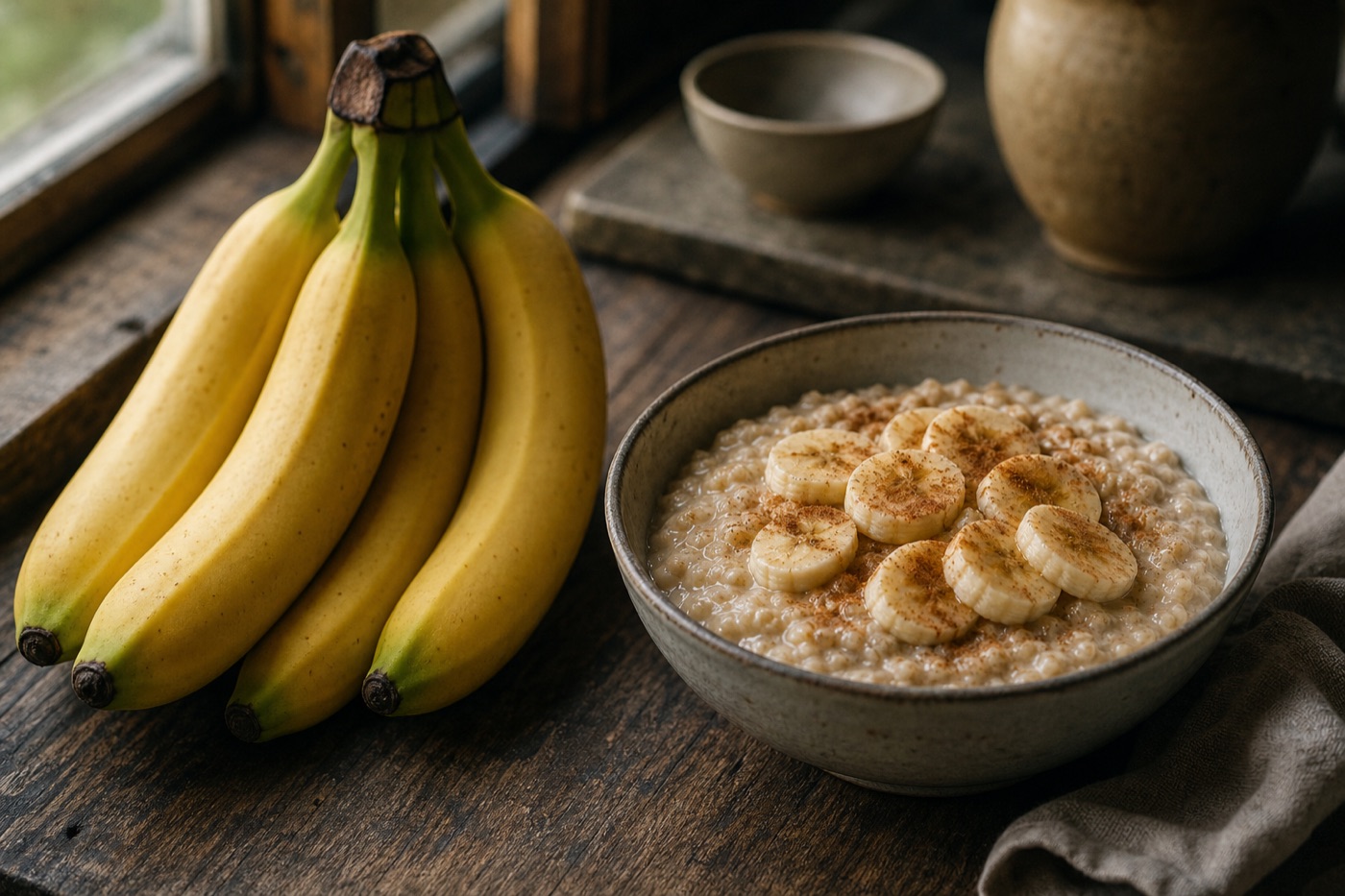
Bananas are healthy, cheap and come in their own biodegradable wrapper. The sugar worry is mostly misplaced: a banana’s natural sugar arrives with fiber, potassium and vitamins, which is a very different deal from a soda. The only real questions are ripeness, pairing and, for a small group of people, potassium.
What’s in it
A medium banana (about 118 g, roughly 7 to 8 inches long) carries around 105 calories, about 27 grams of carbohydrate, roughly 3 grams of fiber and about 1 gram of protein, based on typical USDA FoodData Central values. About 14 grams of the carbohydrate is sugar; the rest is mostly starch, especially in less ripe fruit.
It also supplies about 420 milligrams of potassium, about 0.4 milligrams of vitamin B6 (a large slice of the daily need) and around 10 milligrams of vitamin C, with virtually no fat or sodium. MyPlate counts one large banana as a full cup of fruit.
The good
Potassium without the salt. Potassium helps balance the effects of sodium on blood pressure, and the NIH Office of Dietary Supplements notes that many Americans eat less than recommended. Bananas are not the top source (potatoes, beans and leafy greens rival or beat them), but they are the easiest to throw in a bag.
Fiber that changes with ripeness. Greener bananas are rich in resistant starch, which passes through the small intestine largely undigested and feeds gut bacteria, much like fiber. Riper bananas contain more pectin and sugar and are gentler on sensitive stomachs.
B6 and C. A single banana provides a meaningful share of daily vitamin B6, which helps the body use protein and make red blood cells.
Built for moving. Quick-digesting carbohydrate plus potassium makes bananas a natural fit before or during exercise.
Cheap and wasteless. Overripe bananas freeze beautifully for smoothies and baking, which is why we lean on them in eating healthy on a budget.
The catch
Sugar rises with ripeness. A heavily spotted banana is sweeter and will raise blood sugar faster than a firm yellow one. That matters most for people managing diabetes.
Not much protein or fat. On its own, a banana is a fast snack that may leave you hungry again in an hour. That is easy to fix with a partner food.
Banana products are a different story. Dried banana chips are often fried and sweetened, making them far denser in calories and fat than fresh fruit. Banana bread is typically closer to cake than to fruit.
Potassium limits for some. For people whose kidneys cannot clear potassium well, high-potassium foods need to be managed carefully.
How to eat it well
- Pair it. A banana with a spoon of nut butter, a handful of nuts or a cup of plain yogurt adds protein and fat that stretch the energy. See our verdicts on peanut butter and Greek yogurt.
- Pick your ripeness. Choose firmer, slightly green bananas if you want less sugar and more resistant starch; save spotty ones for baking and smoothies.
- Use it as a sweetener. Mashed ripe banana in oatmeal, pancakes or muffins lets you cut added sugar. Our guide on how to cut back on sugar has more swaps.
- Freeze the extras. Peel, slice and freeze overripe bananas. Blended frozen banana makes a soft-serve-style dessert with nothing added.
- Mind the size. Very large bananas can run 130 calories or more; small ones closer to 90.
Who should go easy
People with chronic kidney disease, and those taking medicines that can raise potassium levels, such as some blood pressure drugs and certain diuretics, should ask their doctor or a registered dietitian how many high-potassium foods to include. Anyone managing diabetes should count bananas within their carbohydrate plan and may prefer smaller, less ripe fruit paired with protein. People with a latex allergy sometimes react to bananas and should discuss it with an allergist.
The verdict
Bananas are a genuinely healthy, convenient fruit. Eat one as a snack or a breakfast topping, pair it with protein to make it last, and let its ripeness match your goal. Unless a doctor has given you a potassium limit, there is no reason to hold back.
Your questions, answered
- Is it OK to eat a banana every day?
- For most healthy people, yes. One banana a day fits easily within the 1.5 to 2 cups of fruit the Dietary Guidelines suggest for most adults. People with kidney disease or on certain blood pressure medicines should check with their doctor about potassium.
- Do bananas have too much sugar?
- A medium banana has about 14 grams of natural sugar, which comes with fiber, water and nutrients. That is different from added sugar in sweets and drinks, which dietary guidance asks us to limit. Pairing a banana with protein or fat makes it more filling.
- Are green bananas healthier than ripe ones?
- They are different rather than better. Greener bananas contain more resistant starch, which behaves like fiber and is digested slowly. As bananas ripen, that starch turns into sugar, so ripe bananas taste sweeter and are easier to digest.
- Are bananas good for weight loss?
- They can help. At about 105 calories, a banana is a portable, filling snack that can replace a pastry or candy bar. Like any food, it works best as part of an overall eating pattern that matches your needs.
Sources
- USDA FoodData Central
- Dietary Guidelines for Americans
- MyPlate (USDA)
- NIH Office of Dietary Supplements
General information, not medical advice. If a food decision depends on your health, talk to a doctor or registered dietitian.
Jonah writes the Is It Healthy? series and the app guides, and has a soft spot for anything that comes in a jar.
More from Jonah
More from The Healthy Eaters
- Are Almonds Healthy? A Handful With Surprising Range
Almonds bring vitamin E, magnesium, fiber and good fats in a pocket-sized package. The only real trick is knowing when a handful becomes a bagful. - Are Eggs Healthy? The Cholesterol Question, Cracked Open
Eggs have been nutrition's favorite villain and its favorite hero, sometimes in the same decade. Here is where the evidence sits now, and what goes on the plate beside them. - Are Potatoes Healthy? Rescuing the Spud From Its Reputation
The humble potato is richer in potassium and vitamin C than most people assume. How it gets to your plate matters far more than the potato itself. - Is Avocado Healthy? Yes, and Here Is How Much Counts as a Serving
Avocado is the rare trendy food that lives up to the hype. It is also rich enough that a whole one on toast is a bigger deal than it looks.