Are Eggs Healthy? The Cholesterol Question, Cracked Open
Eggs have been nutrition's favorite villain and its favorite hero, sometimes in the same decade. Here is where the evidence sits now, and what goes on the plate beside them.
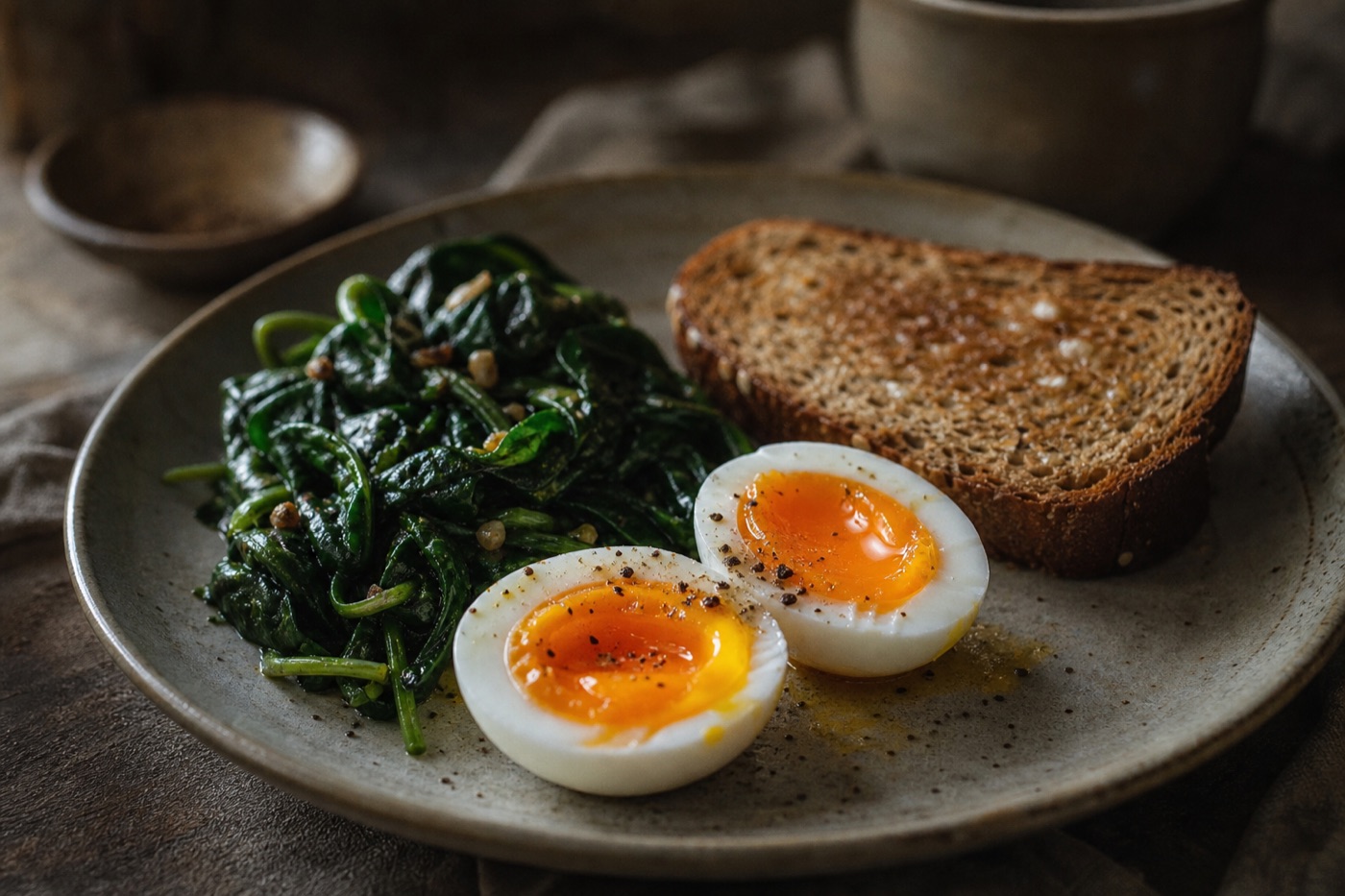
Eggs are healthy for most people. They pack high-quality protein, choline and a handful of hard-to-find vitamins into a tidy, inexpensive shell, and the old fear that every yolk clogs an artery has softened considerably. The real question is less “eggs or no eggs” and more “what else is on the plate.”
What’s in it
One large egg (about 50 g) has roughly 70 to 80 calories and about 6 grams of protein, according to typical USDA FoodData Central values. It contains around 5 grams of fat, of which about 1.5 grams is saturated, and essentially no carbohydrate.
The yolk is where most of the interesting nutrition lives. It holds about 185 milligrams of cholesterol, nearly all of the egg’s fat, and the bulk of its choline, roughly 145 milligrams. It also supplies vitamin B12, riboflavin, selenium, some vitamin D and the yellow pigments lutein and zeaxanthin. The white is mostly water and protein, which is why a white on its own has fewer than 20 calories.
The good
Complete protein, cheaply. Egg protein contains all the essential amino acids in useful proportions. Per gram of protein, eggs remain one of the better bargains in the dairy case, a point we lean on in our guide to eating healthy on a budget.
Choline. This nutrient helps with cell membranes and the signaling chemicals your nerves use, and the NIH Office of Dietary Supplements notes that many Americans fall short of recommended intakes. Eggs are one of the richest common sources.
Vitamin D and B12. Few foods naturally contain vitamin D, and egg yolks are among them. B12 matters especially for older adults and for people who eat little meat.
Speed. An egg cooks in about the time it takes to toast bread. For mornings that start late and end early, see our advice on eating healthy when you are busy.
The catch
The cholesterol debate. For years, a numeric cap on dietary cholesterol sent eggs to the naughty list. The current Dietary Guidelines for Americans dropped that specific limit, while still advising people to keep dietary cholesterol as low as practical within a healthy eating pattern. For most people, saturated fat moves blood cholesterol more than egg cholesterol does, but individual responses vary, and some people are more sensitive than others.
The company eggs keep. Two eggs alone are a light meal. Two eggs with bacon, sausage, buttered white toast and hash browns become a saturated-fat and sodium event. Much of the bad press eggs get may really belong to their usual breakfast companions.
Food safety. Raw and undercooked eggs can carry Salmonella. The CDC recommends cooking eggs until yolks and whites are firm, refrigerating them, and taking extra care with dishes made from raw eggs, particularly for young children, older adults and pregnant people.
How to eat it well
- Pair them with plants. Fold spinach, peppers, mushrooms or leftover roasted vegetables into scrambles and omelets. The eggs bring protein; the vegetables bring fiber and volume.
- Choose the fat wisely. Cook in a teaspoon of olive oil rather than a pat of butter, or poach and boil and skip added fat entirely.
- Batch-boil. A half-dozen hard-boiled eggs in the fridge are a ready snack or salad topper for four or five days.
- Use them beyond breakfast. A fried egg on rice and greens, eggs baked in tomato sauce, or a sliced egg on a grain bowl all turn a side dish into dinner. Our guide on how to eat more protein has more combinations.
- Watch the cheese pile. A modest sprinkle of a strong cheese goes further than a mound of a mild one; we weigh the trade-offs in is cheese healthy.
Who should go easy
If you have high LDL cholesterol, diabetes or established heart disease, ask your doctor or a registered dietitian how many eggs, and especially how many yolks, make sense for you. People with an egg allergy, one of the more common food allergies in children, need to avoid them and should check labels on baked goods and sauces. Anyone pregnant, very young, older or immunocompromised should stick to fully cooked eggs.
The verdict
Eggs are a nutritious, affordable, fast protein that belongs in most kitchens. Cook them with little added fat, surround them with vegetables and whole grains, and save the bacon platter for the occasional weekend. If a clinician has given you a cholesterol target, let that guide the number you eat.
Your questions, answered
- How many eggs a day is safe?
- There is no single official number for healthy adults. Many people eat one egg a day, or several a week, within a balanced diet. If you have high LDL cholesterol, diabetes or heart disease, ask your doctor or a registered dietitian what fits your situation.
- Do eggs raise cholesterol?
- For most people, the cholesterol in eggs has a smaller effect on blood cholesterol than saturated fat does. Responses vary from person to person, though, and what you eat with the eggs matters a great deal, so bacon and buttered white toast change the picture.
- Is it healthier to eat only egg whites?
- Whites are almost pure protein with very few calories, but the yolk holds most of the egg's choline, vitamin D, vitamin B12 and the pigments lutein and zeaxanthin. Unless a clinician has told you to limit yolks, the whole egg gives you more nutrition.
- Are brown eggs healthier than white eggs?
- No. Shell color comes from the breed of hen and does not change the nutrition in any meaningful way. Freshness, storage and how you cook the egg matter much more.
Sources
- USDA FoodData Central
- Dietary Guidelines for Americans
- NIH Office of Dietary Supplements
- Centers for Disease Control and Prevention
General information, not medical advice. If a food decision depends on your health, talk to a doctor or registered dietitian.
Jonah writes the Is It Healthy? series and the app guides, and has a soft spot for anything that comes in a jar.
More from Jonah
More from The Healthy Eaters
- Are Almonds Healthy? A Handful With Surprising Range
Almonds bring vitamin E, magnesium, fiber and good fats in a pocket-sized package. The only real trick is knowing when a handful becomes a bagful. - Are Bananas Healthy? The Case for Fruit's Most Portable Snack
Bananas get side-eye for their sugar and carbs. Here is what one actually contains, why ripeness changes the picture, and who should keep count. - Are Potatoes Healthy? Rescuing the Spud From Its Reputation
The humble potato is richer in potassium and vitamin C than most people assume. How it gets to your plate matters far more than the potato itself. - Is Avocado Healthy? Yes, and Here Is How Much Counts as a Serving
Avocado is the rare trendy food that lives up to the hype. It is also rich enough that a whole one on toast is a bigger deal than it looks.