How to Eat Healthy When You Are Busy: A System, Not Willpower
When the week is packed, good intentions lose to whatever is fastest. The fix: make the healthy option the fast one, with an hour of prep and a stocked kitchen.
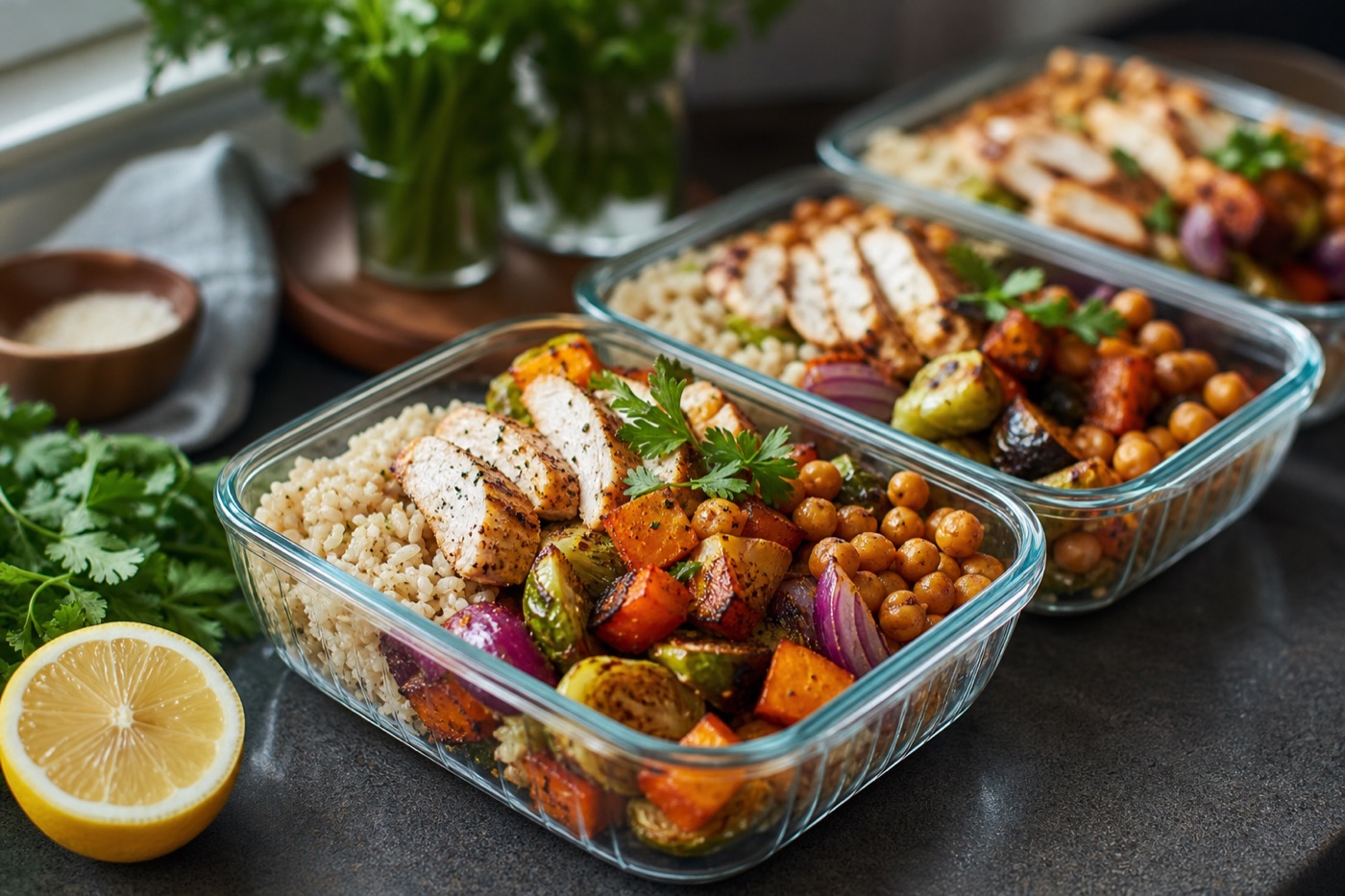
The short answer: build a system so that the healthy choice is also the quickest one. Spend an hour on the weekend cooking a few building blocks, keep the kitchen stocked with shortcuts, carry real snacks and decide your takeout order before you are starving. Willpower is unreliable at 8 p.m.; a fridge full of ready food is not.
1. Plan three dinners, not seven
Busy weeks wreck elaborate plans. Pick three dinners, plan to eat leftovers on two nights, and leave the rest flexible. Write down what you need and shop once. That is enough structure to keep you out of the drive-through most nights.
2. Do the one-hour weekend prep
You do not need 20 identical containers. You need a few components that mix and match:
- A grain: a big pot of brown rice, quinoa or farro, or a bag of whole-wheat pasta cooked al dente
- A protein or two: roasted chicken thighs, baked tofu, a pot of lentils, a half-dozen hard-boiled eggs
- A tray of roasted vegetables: broccoli, peppers, sweet potatoes, onions
- Something raw: washed greens, sliced cucumbers, carrots
- A sauce: a jar of vinaigrette, yogurt-herb sauce or peanut-lime dressing
Most of this cooks at the same time in the oven and on the stove.
3. Use the assembly formula
With components ready, dinner becomes a matter of putting things in a bowl:
Grain + protein + vegetable + sauce
Examples: rice, chicken, roasted broccoli and peanut sauce; quinoa, chickpeas, cucumbers, tomatoes and lemon-tahini; greens, lentils, roasted sweet potato and vinaigrette. A warm tortilla turns any of these into a wrap.
4. Stock smart shortcuts
Convenience food is not the enemy. Some of the most useful options for busy people are also healthy:
- Frozen vegetables and stir-fry mixes
- Bagged salad greens and pre-cut vegetables
- Canned beans, lentils, tuna and salmon
- Rotisserie chicken
- Microwavable pouches of plain whole grains
- Eggs, which cook in minutes (see are eggs healthy)
- Frozen fish fillets that cook straight from frozen; salmon is a good pick
5. Make breakfast boringly fast
Choose two breakfasts and repeat them. Overnight oats made the night before, plain yogurt with fruit and nuts, or eggs with whole-grain toast all take five minutes or less. Keep bananas, apples and nut butter on hand for days that start in the car.
6. Pack snacks that actually satisfy
Vending machines and pastry cases win when you are hungry and have nothing else. Keep a few of these in your bag or desk:
- Nuts or trail mix without candy
- Fruit that travels, such as apples, oranges and bananas
- Whole-grain crackers with a single-serve nut butter
- Roasted chickpeas
- Shelf-stable tuna packets
7. Let the freezer work for you
Double recipes for soup, chili and curry, then freeze individual portions. On nights when nothing is prepped, a frozen homemade meal beats any delivery app on cost and nutrition.
8. Have a default takeout order
You will order out sometimes. Decide in advance what a balanced order looks like at the places you use most: a grilled protein with vegetables, a burrito bowl with beans and salsa, a stir-fry with extra vegetables. Our guide on how to eat healthy at restaurants has a cuisine-by-cuisine cheat sheet.
9. Keep leftovers safe
Refrigerate cooked food within two hours, eat most leftovers within 3 to 4 days, and freeze what you will not finish. Reheat until steaming hot. These basics, recommended by U.S. food safety agencies, keep meal prep from becoming a gamble.
A sample busy week
| Day | Dinner |
|---|---|
| Monday | Grain bowl: rice, chicken, roasted vegetables, peanut sauce |
| Tuesday | Leftover bowl, swapped to quinoa and lentils |
| Wednesday | Frozen salmon fillet, microwaved green beans, whole-grain pouch |
| Thursday | Leftovers or a frozen homemade soup |
| Friday | Default takeout order |
| Weekend | One hour of prep for next week |
Do not forget vegetables
Busy weeks tend to squeeze out produce first. Keeping frozen and pre-washed vegetables in the house makes it far easier to keep them on the plate; see how to eat more vegetables for more ideas.
The short version
Plan three dinners, prep a grain, a protein, roasted vegetables and a sauce on the weekend, and assemble meals in minutes during the week. Stock healthy shortcuts, keep two fast breakfasts on repeat, carry real snacks, freeze extras and choose your takeout order in advance. A simple system beats good intentions every time.
Your questions, answered
- What are the quickest healthy meals?
- Eggs with toast and greens, grain bowls built from prepped ingredients, bean and vegetable quesadillas, canned fish on salad, and stir-fries made with frozen vegetables are all ready in 15 minutes or less.
- How long does meal prep last in the fridge?
- Most cooked leftovers keep safely for 3 to 4 days in the refrigerator, according to U.S. food safety guidance. Freeze anything you will not eat in that window, and reheat leftovers until steaming hot.
- How can I eat healthy at work?
- Bring leftovers or an assembled bowl for lunch, and keep shelf-stable snacks such as nuts, fruit, whole-grain crackers and canned tuna at your desk. A water bottle within reach helps too.
- Is it OK to eat the same meals every week?
- Yes. Repeating a few balanced meals is one of the easiest ways to eat well when busy. Rotating the vegetables, proteins and sauces adds variety without extra planning.
Sources
General information, not medical advice. If a food decision depends on your health, talk to a doctor or registered dietitian.
Clara runs The Healthy Eaters and edits every verdict before it goes out. She likes food writing that answers the question in the first paragraph.
More from Clara
More from The Healthy Eaters
- How to Build a Healthy Grocery List You Will Actually Use
A good grocery list is the most underrated health tool in your kitchen. Here is how to write one in 15 minutes, with a template you can copy. - How to Count Calories Accurately, Without Making It Your Whole Personality
Calorie counting is a useful tool for learning portions and reaching a goal. Done carelessly, it is guesswork with extra steps. Here is how to do it well. - How to Cut Back on Sugar Without Declaring War on Dessert
Most added sugar does not come from the cake you see coming. It comes from drinks, breakfast and snacks. Start there, taper slowly and keep the treats you love. - How to Eat Healthy at Restaurants Without Ordering a Sad Salad
Restaurant meals tend to be bigger, saltier and richer than what you cook at home. A few ordering habits handle most of that, and you still get dinner out.