How to Count Calories Accurately, Without Making It Your Whole Personality
Calorie counting is a useful tool for learning portions and reaching a goal. Done carelessly, it is guesswork with extra steps. Here is how to do it well.
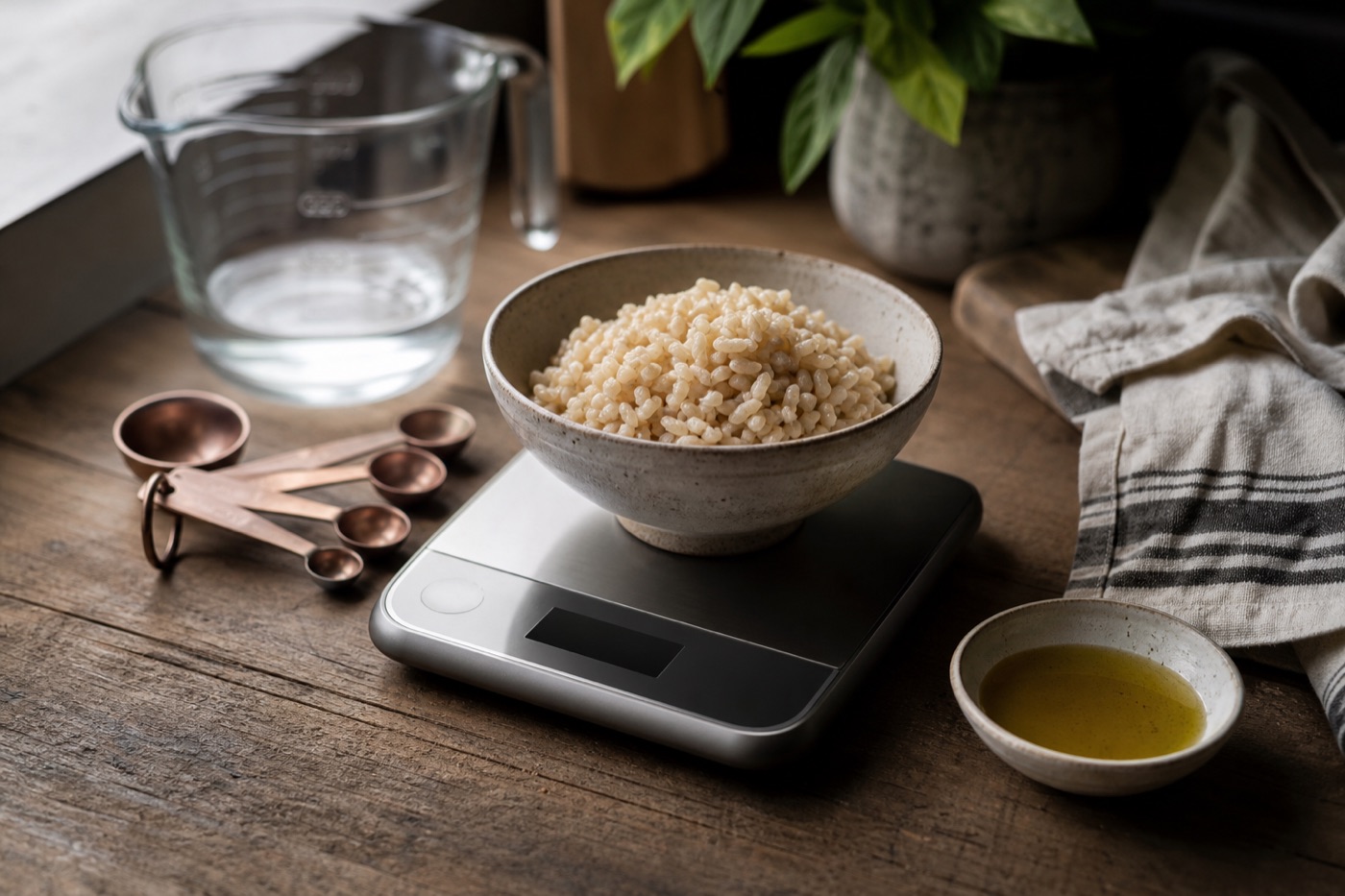
The short answer: estimate your needs, measure your food for a couple of weeks, read serving sizes carefully, and log everything you eat and drink as you go. Then look at weekly averages rather than obsessing over a single day. Calorie counting works best as a learning tool, not as a permanent lifestyle.
1. Estimate your daily needs
The Dietary Guidelines for Americans estimate that most adult women need about 1,600 to 2,400 calories a day and most adult men about 2,000 to 3,000. Where you fall depends on age, height, weight and how active you are. MyPlate’s free online plan gives a personalized estimate. If you have a specific goal, such as weight loss, managing a health condition or training for a sport, a doctor or registered dietitian can help you set a sensible target.
2. Understand where calories come from
Every calorie in food comes from four sources:
| Nutrient | Calories per gram |
|---|---|
| Protein | 4 |
| Carbohydrate | 4 |
| Fat | 9 |
| Alcohol | 7 |
That is why fat-rich foods such as oils, nuts and cheese are calorie-dense, and why vegetables, which are mostly water and fiber, are not. A food with 10 grams of protein, 20 grams of carbohydrate and 5 grams of fat has about 40 + 80 + 45 = 165 calories.
3. Read the label the right way
The FDA’s Nutrition Facts label lists calories per serving, and the serving size sits right at the top. The most common mistake is reading the calories and ignoring the serving. If a bag contains 2.5 servings and you eat the whole thing, multiply. The “servings per container” line is there to help.
4. Weigh and measure, at least at first
Eyeballing portions is notoriously unreliable, especially for dense foods. For the first week or two:
- Use a digital kitchen scale for grains, meat, cheese, nuts and anything that varies in size.
- Use measuring spoons for oils, nut butters, dressings and sweeteners.
- Use measuring cups for cereals, rice and pasta.
You will quickly learn what a tablespoon of peanut butter or a cup of cooked rice really looks like. After that, you can estimate with more confidence.
5. Log as you eat
Trying to remember everything at the end of the day leads to gaps. Record food when you eat it, or snap a photo to log later. A notebook works, and so do apps; see our pick of calorie counting apps if you want a digital option. For more on different logging methods, read how to track what you eat.
6. Count the easy-to-forget extras
The calories people miss most often are:
- Cooking oil and butter. A tablespoon of olive oil is about 120 calories.
- Sauces, dressings and spreads.
- Drinks, including juice, soda, alcohol and sweetened coffee.
- Bites and tastes, like a handful of chips while cooking or finishing a child’s plate.
7. Use databases and labels wisely
For packaged foods, use the label. For whole foods like produce, meat and grains, USDA FoodData Central is a reliable source of typical values. For restaurant meals, chains with 20 or more locations must post calories on their menus under FDA rules.
8. Look at the week, not the day
Daily totals bounce around. A higher day followed by a lower one is normal. Averaging over a week gives a truer picture and keeps one big dinner from feeling like a failure.
9. Do not ignore food quality
Two days with the same calories can look very different nutritionally. Keep an eye on protein, fiber, fruits and vegetables alongside the total. Our guide on how to eat more protein can help balance meals within your target.
An example breakfast, counted
| Item | Amount | Calories (about) |
|---|---|---|
| Whole-grain toast | 1 slice (1 oz) | 80 |
| Peanut butter | 2 tbsp | 190 |
| Banana | 1 medium | 105 |
| Coffee with 2 tbsp milk | 1 cup | 20 |
| Total | about 395 |
Who should not count calories
If you have a history of an eating disorder, or if tracking makes you anxious or obsessive about food, calorie counting may do more harm than good. Talk to a doctor, therapist or registered dietitian about other approaches. People who are pregnant, have diabetes or kidney disease, or take medications that affect appetite or weight should set targets with their care team.
The short version
Estimate your needs, learn that protein and carbs have 4 calories per gram and fat has 9, read serving sizes, weigh and measure for the first few weeks, and log food as you eat it, including oils and drinks. Watch weekly averages, keep food quality in view, and stop counting if it stops helping.
Your questions, answered
- How many calories do I need a day?
- The Dietary Guidelines estimate that most adult women need about 1,600 to 2,400 calories a day and most adult men about 2,000 to 3,000, depending on age, size and activity. MyPlate offers a free tool for a personal estimate, and a doctor or registered dietitian can help set a target for a specific goal.
- Is counting calories the best way to lose weight?
- It is one effective tool, not the only one. Calorie counting helps many people understand portions and patterns. Others do well focusing on food quality, regular meals and portion habits. Choose the approach you can sustain.
- How accurate are calorie counts?
- They are estimates. Labels are allowed some variation, restaurant portions differ, and measuring by eye is often off. Weighing food and logging consistently gives you a number that is accurate enough to spot trends over time.
- Should I count calories every day forever?
- Most people do not need to. Counting for a few weeks teaches you what portions look like, and many people then switch to occasional check-ins. Anyone with a history of disordered eating should talk to a health professional before counting.
Sources
- Dietary Guidelines for Americans
- U.S. Food and Drug Administration
- USDA FoodData Central
- MyPlate (USDA)
General information, not medical advice. If a food decision depends on your health, talk to a doctor or registered dietitian.
Jonah writes the Is It Healthy? series and the app guides, and has a soft spot for anything that comes in a jar.
More from Jonah
More from The Healthy Eaters
- How to Build a Healthy Grocery List You Will Actually Use
A good grocery list is the most underrated health tool in your kitchen. Here is how to write one in 15 minutes, with a template you can copy. - How to Cut Back on Sugar Without Declaring War on Dessert
Most added sugar does not come from the cake you see coming. It comes from drinks, breakfast and snacks. Start there, taper slowly and keep the treats you love. - How to Eat Healthy at Restaurants Without Ordering a Sad Salad
Restaurant meals tend to be bigger, saltier and richer than what you cook at home. A few ordering habits handle most of that, and you still get dinner out. - How to Eat Healthy on a Budget: Cheap Food That Actually Feeds You
Healthy eating does not require a specialty grocer or a superfood budget. It requires a plan, a few humble staples and a freezer you are not afraid to use.