Is Olive Oil Healthy? Liquid Gold, Measured by the Spoon
Olive oil is the backbone of the Mediterranean kitchen and one of the best-regarded fats in nutrition. It is also the easiest way to pour 400 calories without noticing.
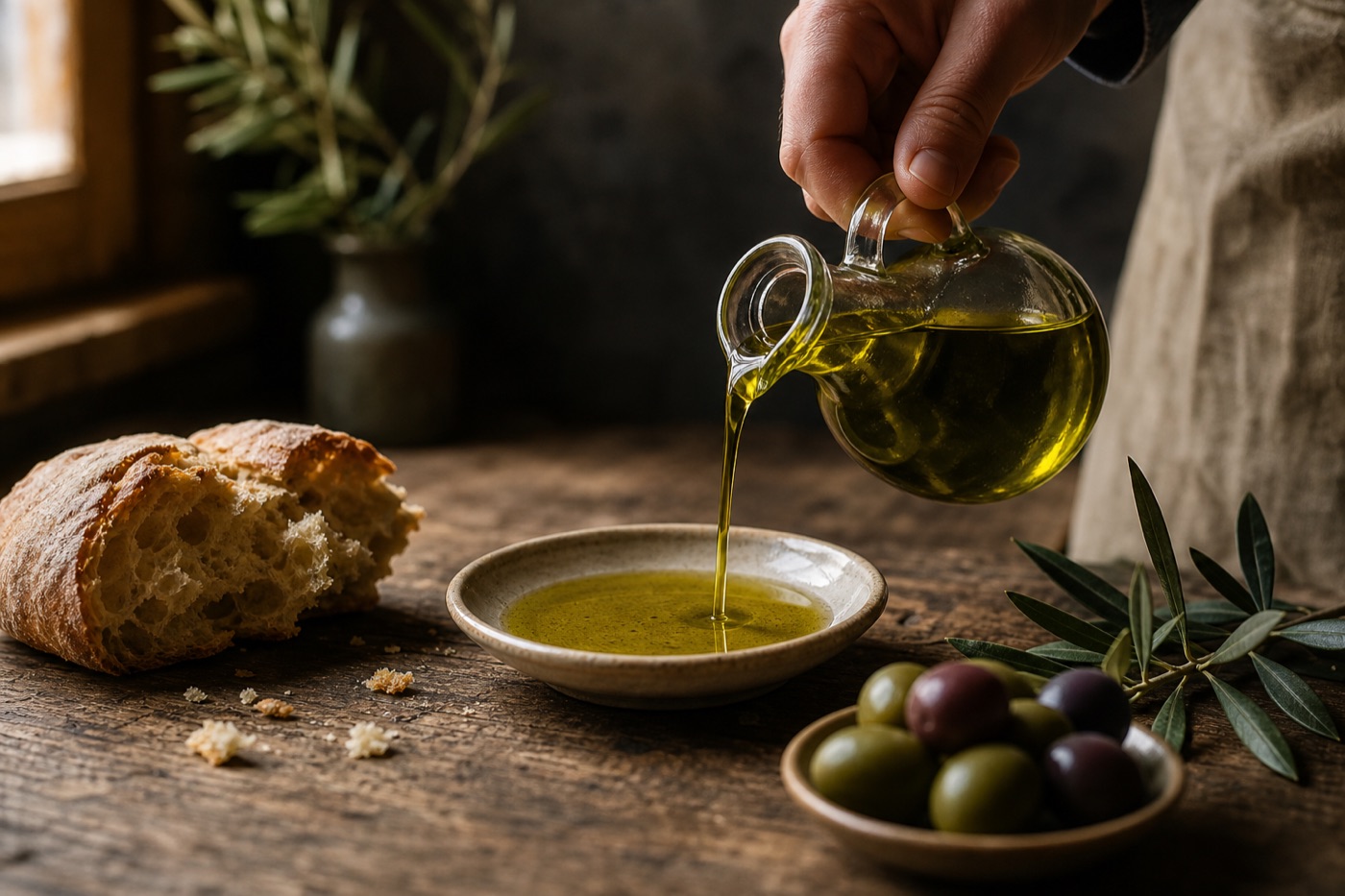
Olive oil is healthy, and extra virgin olive oil sits near the top of the list of fats nutrition experts like. It is rich in monounsaturated fat, carries protective plant compounds and makes vegetables taste like something you want seconds of. The only real catch is that it is pure fat, so the bottle should not have a free-flowing spout in your head.
What’s in it
A tablespoon of olive oil (about 13.5 g) delivers about 120 calories and about 14 grams of fat, according to typical USDA FoodData Central values. Roughly 10 grams of that is monounsaturated fat, mostly oleic acid, with about 2 grams saturated and 1.5 grams polyunsaturated. There is no protein, carbohydrate or fiber.
The oil also contains vitamin E, about 2 milligrams per tablespoon, and a little vitamin K. Extra virgin olive oil holds polyphenols, the plant compounds responsible for its peppery, slightly bitter bite. Refining strips out most of them, which is why regular and light olive oils taste milder.
The good
Heart-friendly fat. The American Heart Association recommends choosing unsaturated fats like olive oil instead of saturated fats such as butter and lard. The FDA allows a qualified health claim stating that limited, not conclusive, evidence suggests about 2 tablespoons of olive oil a day may reduce the risk of coronary heart disease when it replaces saturated fat and does not add calories overall.
The Mediterranean anchor. Olive oil is the main fat in Mediterranean-style eating patterns, which are associated with good heart health and are widely recommended by health organizations. The oil is part of a whole pattern rich in vegetables, beans, whole grains and fish, and works best in that company.
Polyphenols. Extra virgin olive oil carries antioxidant compounds that have been studied for their effects on inflammation and blood vessel health.
It makes vegetables delicious. A spoonful of oil, salt and heat turns broccoli, carrots and greens into food people actually crave. Fat also helps your body absorb fat-soluble vitamins and carotenoids from those vegetables. Our guide on how to eat more vegetables leans on this heavily.
The catch
Calorie density. At 120 calories per tablespoon, olive oil adds up quickly. A generous free-pour into a hot pan can be 3 or 4 tablespoons, and a restaurant bread basket with a dish of oil can rival dessert.
“Healthy” does not mean “unlimited.” Healthy fats still carry 9 calories per gram. The benefit comes from swapping olive oil for less healthy fats, not from adding it to everything.
Quality varies. Oil degrades with heat, light and time. Old or poorly stored oil loses flavor and some of its protective compounds.
Very high heat. Extra virgin olive oil is fine for everyday sautéing and roasting, but heating any oil until it smokes breaks it down and creates harsh flavors.
How to eat it well
- Measure the pour. Use a tablespoon for the pan until you know what one looks like. A teaspoon is often enough to sauté vegetables in a nonstick skillet.
- Use it as a swap. Replace butter on bread, vegetables and potatoes with a drizzle of olive oil and a pinch of salt.
- Make your own dressing. Three parts oil to one part vinegar or lemon juice, plus mustard, salt and pepper. Shake and store in the fridge.
- Finish, do not drown. A small drizzle of good extra virgin oil over soup, beans or pasta right before serving gives more flavor than a large amount cooked in.
- Pair it with legumes. Olive oil is classic in hummus and bean salads.
- Store it right. Keep it in a dark bottle or tin, away from the stove, and buy a size you will finish within a few months.
Looking for other healthy fats? Avocado fills a similar role; see is avocado healthy.
Who should go easy
People who have been advised by a doctor to follow a low-fat diet for a specific condition, such as certain gallbladder or digestive problems, should ask how much oil fits their plan. If you are working toward a calorie target, measuring oil is one of the most effective habits you can build. Olive oil allergies are rare, but anyone who reacts should talk to an allergist.
The verdict
Olive oil, especially extra virgin, is one of the best fats you can cook with. Use it in place of butter and other saturated fats, measure it like the rich ingredient it is, and let it make vegetables, beans and whole grains taste wonderful.
Your questions, answered
- How much olive oil should I have a day?
- There is no single official target. The FDA allows a qualified health claim noting that limited evidence suggests about 2 tablespoons a day may reduce heart disease risk when it replaces saturated fat, without increasing total calories. Your total fat and calorie needs decide what fits.
- Can you cook with extra virgin olive oil?
- Yes. Extra virgin olive oil works well for everyday sautéing, roasting and baking at moderate temperatures. For very high-heat searing or deep frying, many cooks prefer refined olive oil or another oil with a higher smoke point.
- Is extra virgin olive oil better than regular olive oil?
- Extra virgin oil is mechanically pressed without chemical refining, so it keeps more of the olive's flavor and polyphenols. Regular or light olive oil is more refined and milder. Both have similar fat profiles and the same calories.
- Does olive oil go bad?
- Yes. Heat, light and air gradually degrade it, and old oil can taste stale or rancid. Store it in a dark bottle or tin away from the stove, close the cap tightly, and use it within a few months of opening.
Sources
- USDA FoodData Central
- U.S. Food and Drug Administration
- American Heart Association
- Harvard T.H. Chan School of Public Health, The Nutrition Source
General information, not medical advice. If a food decision depends on your health, talk to a doctor or registered dietitian.
Jonah writes the Is It Healthy? series and the app guides, and has a soft spot for anything that comes in a jar.
More from Jonah
More from The Healthy Eaters
- Are Almonds Healthy? A Handful With Surprising Range
Almonds bring vitamin E, magnesium, fiber and good fats in a pocket-sized package. The only real trick is knowing when a handful becomes a bagful. - Are Bananas Healthy? The Case for Fruit's Most Portable Snack
Bananas get side-eye for their sugar and carbs. Here is what one actually contains, why ripeness changes the picture, and who should keep count. - Are Eggs Healthy? The Cholesterol Question, Cracked Open
Eggs have been nutrition's favorite villain and its favorite hero, sometimes in the same decade. Here is where the evidence sits now, and what goes on the plate beside them. - Are Potatoes Healthy? Rescuing the Spud From Its Reputation
The humble potato is richer in potassium and vitamin C than most people assume. How it gets to your plate matters far more than the potato itself.