Practical guides to eating well on a real schedule and a real budget.
 How-To
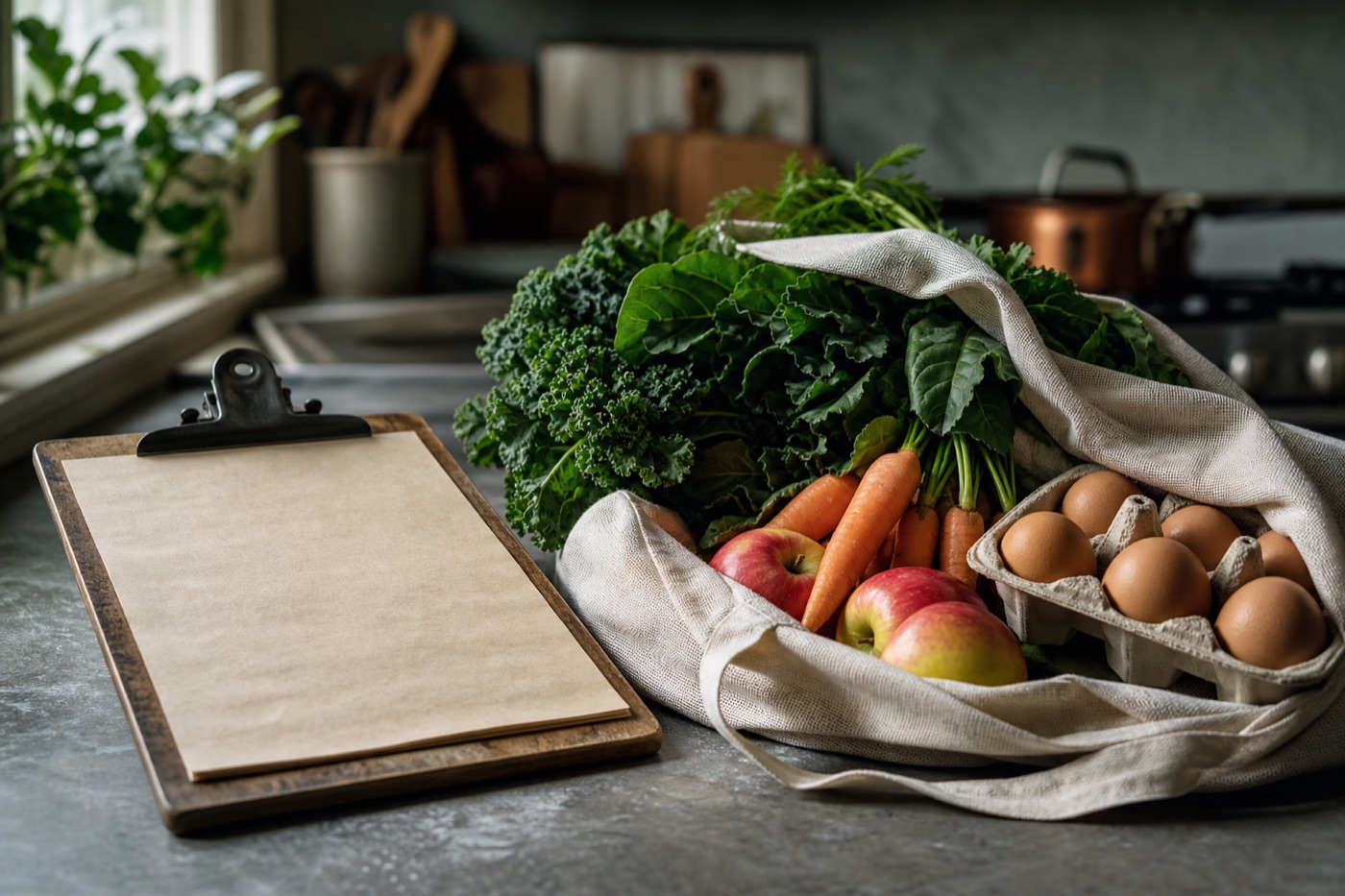
Start with the meals you plan to cook, then list ingredients by store section: produce, proteins, dairy, whole grains, pantry and frozen. Keep a standing list of healthy staples, check labels for added sugars, sodium and fiber, and plan four or five dinners rather than seven so less food goes to waste.
 How-To
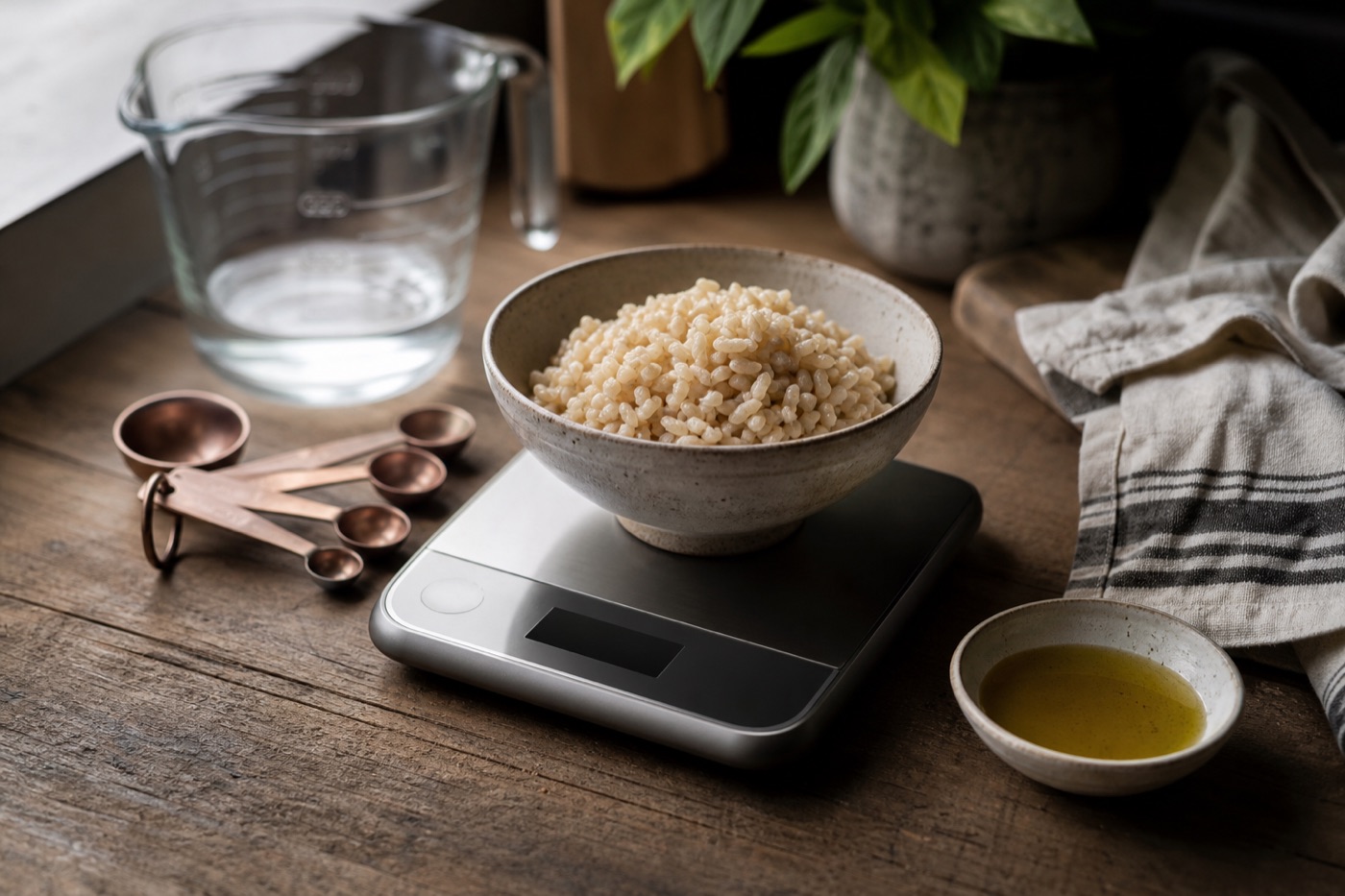
Estimate your daily needs, read serving sizes on labels, weigh or measure food for the first couple of weeks, and log everything as you eat, including oils, sauces and drinks. Protein and carbohydrates have 4 kcal per gram, fat 9 and alcohol 7. Look at weekly averages and focus on food quality too.
 How-To
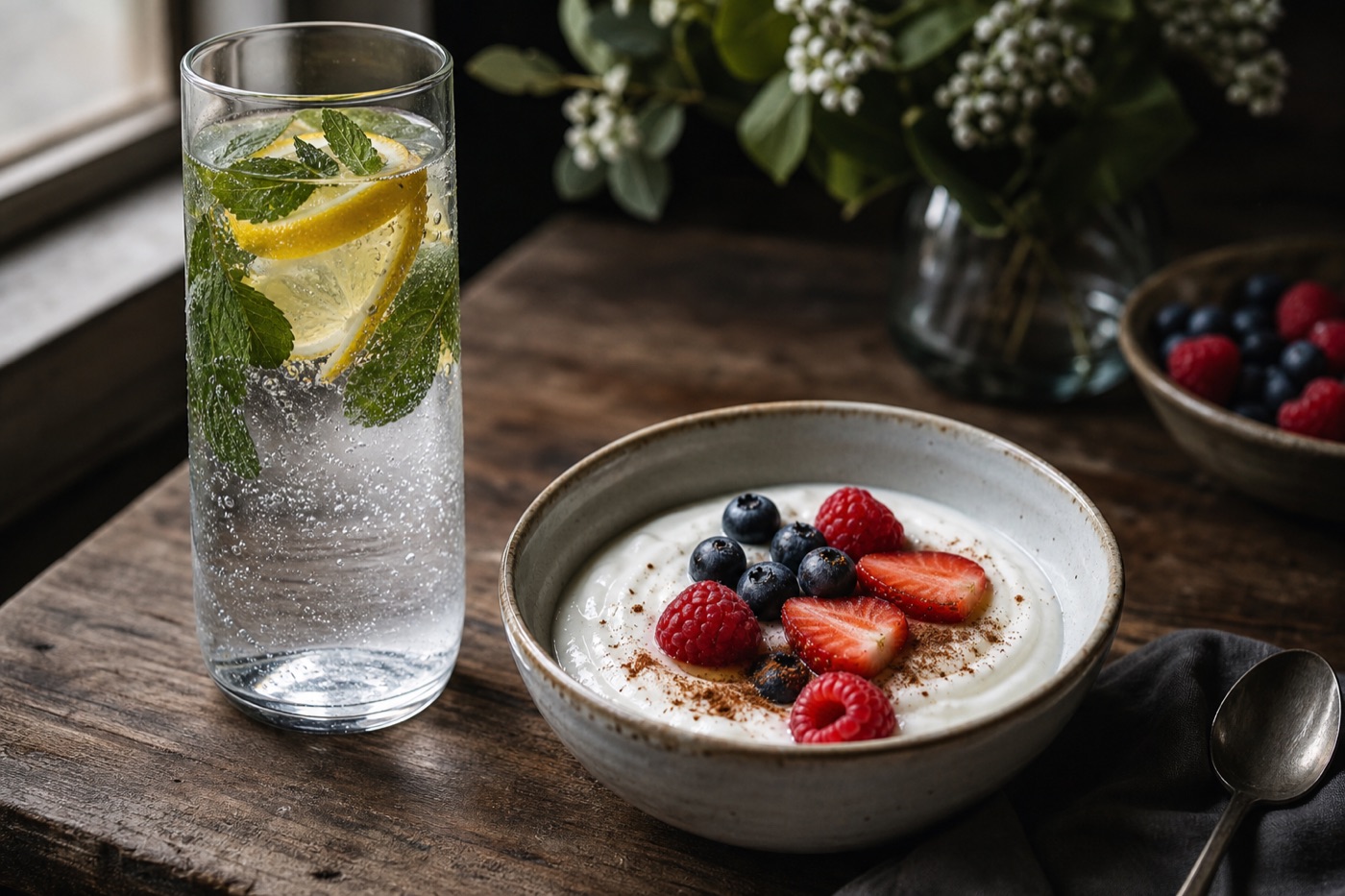
Aim to keep added sugars under 10 percent of daily calories, about 50 g or 12 teaspoons on a 2,000-calorie diet. Start with sugary drinks, the biggest source for many people, then read the Added sugars line on labels, buy plain foods and sweeten them yourself, and taper gradually so your taste adjusts.
 How-To
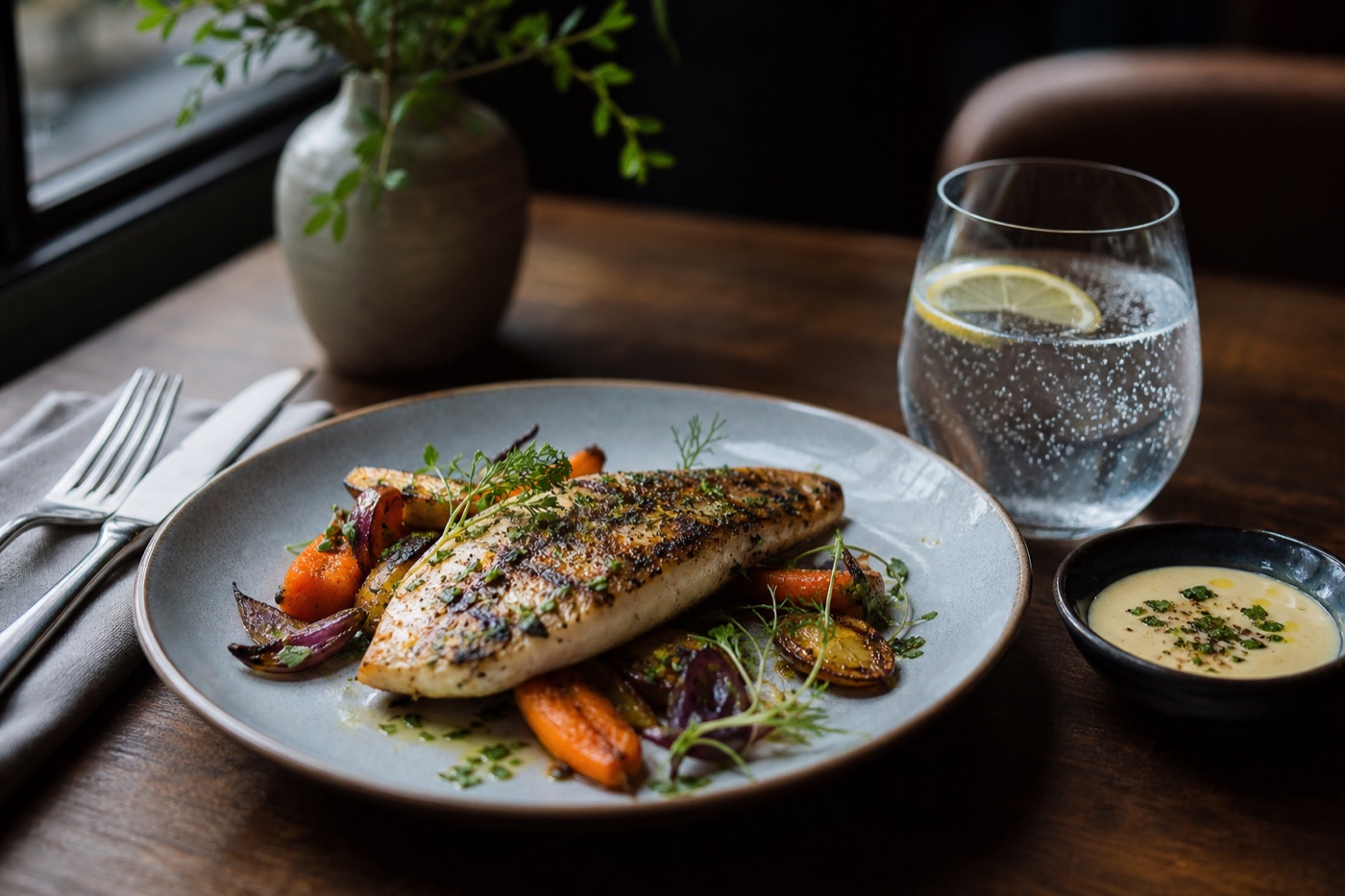
Check the menu ahead, look for grilled, roasted, steamed or broiled dishes, ask for sauces and dressings on the side, swap fries for vegetables or salad, and choose water or unsweetened drinks. Restaurant portions are large, so share a dish or box half. Enjoy the meal; one dinner does not define your diet.
 How-To
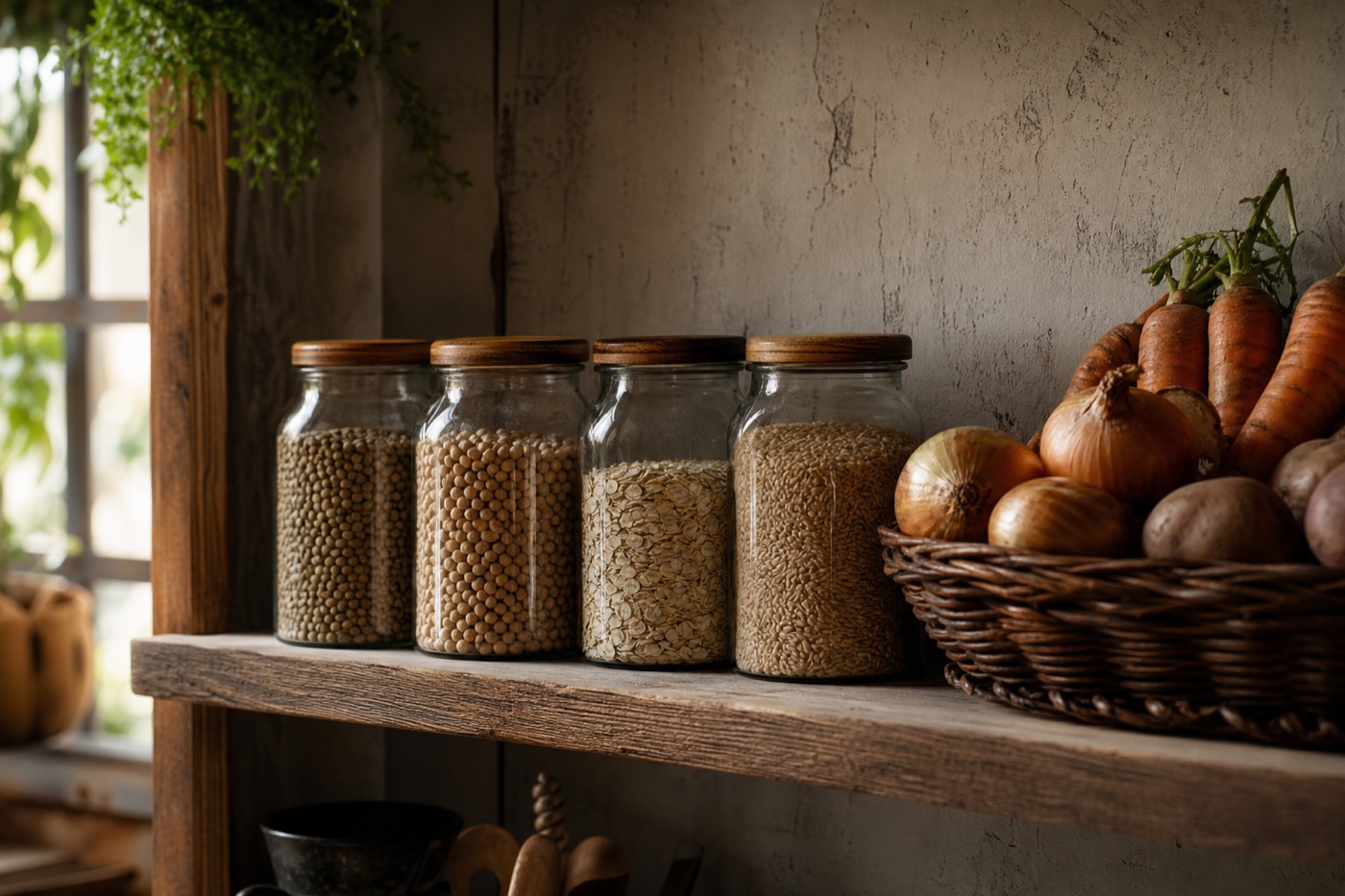
Plan meals before you shop, build them around low-cost staples like beans, lentils, eggs, oats, rice, potatoes and frozen vegetables, compare unit prices, and cook in batches so less goes to waste. Canned and frozen produce count. Cutting sugary drinks and packaged snacks frees up money for better food.
 How-To
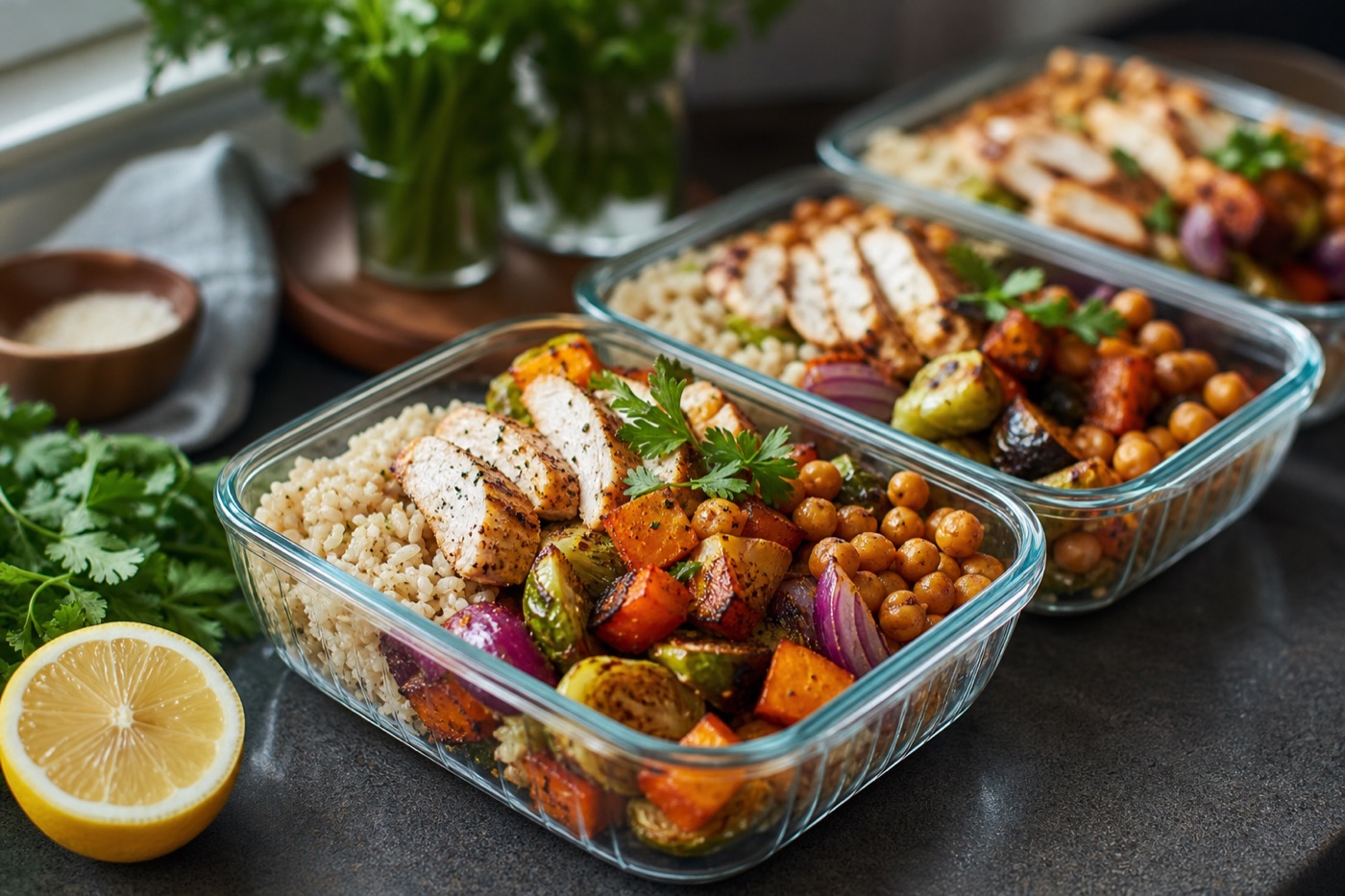
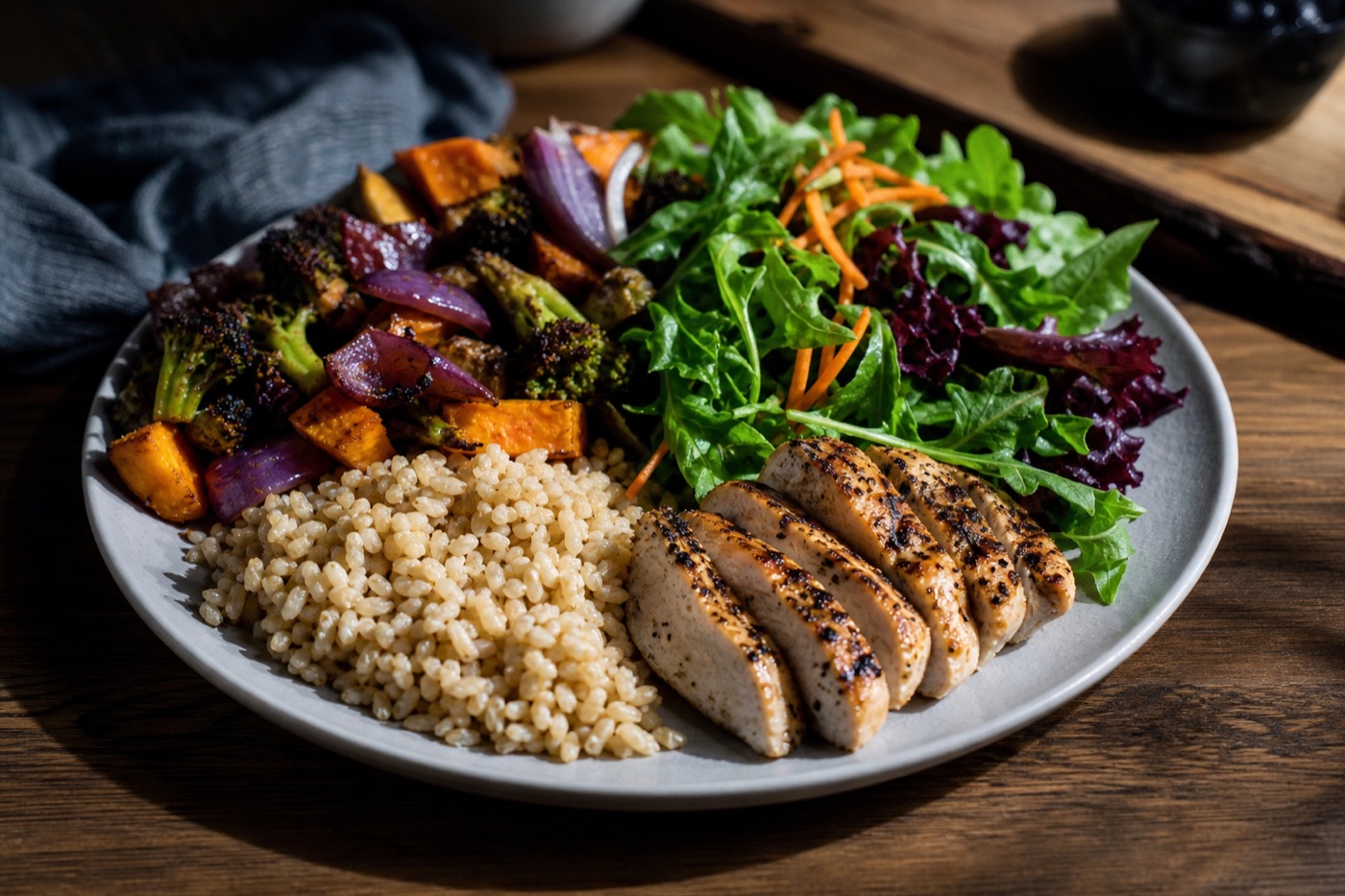
Spend about an hour on the weekend cooking a grain, a protein and a tray of vegetables, then assemble quick bowls, wraps and salads all week. Stock shortcuts like frozen vegetables, canned beans, eggs and pre-washed greens, keep simple snacks in your bag, and have a default takeout order that is reasonably balanced.
 How-To
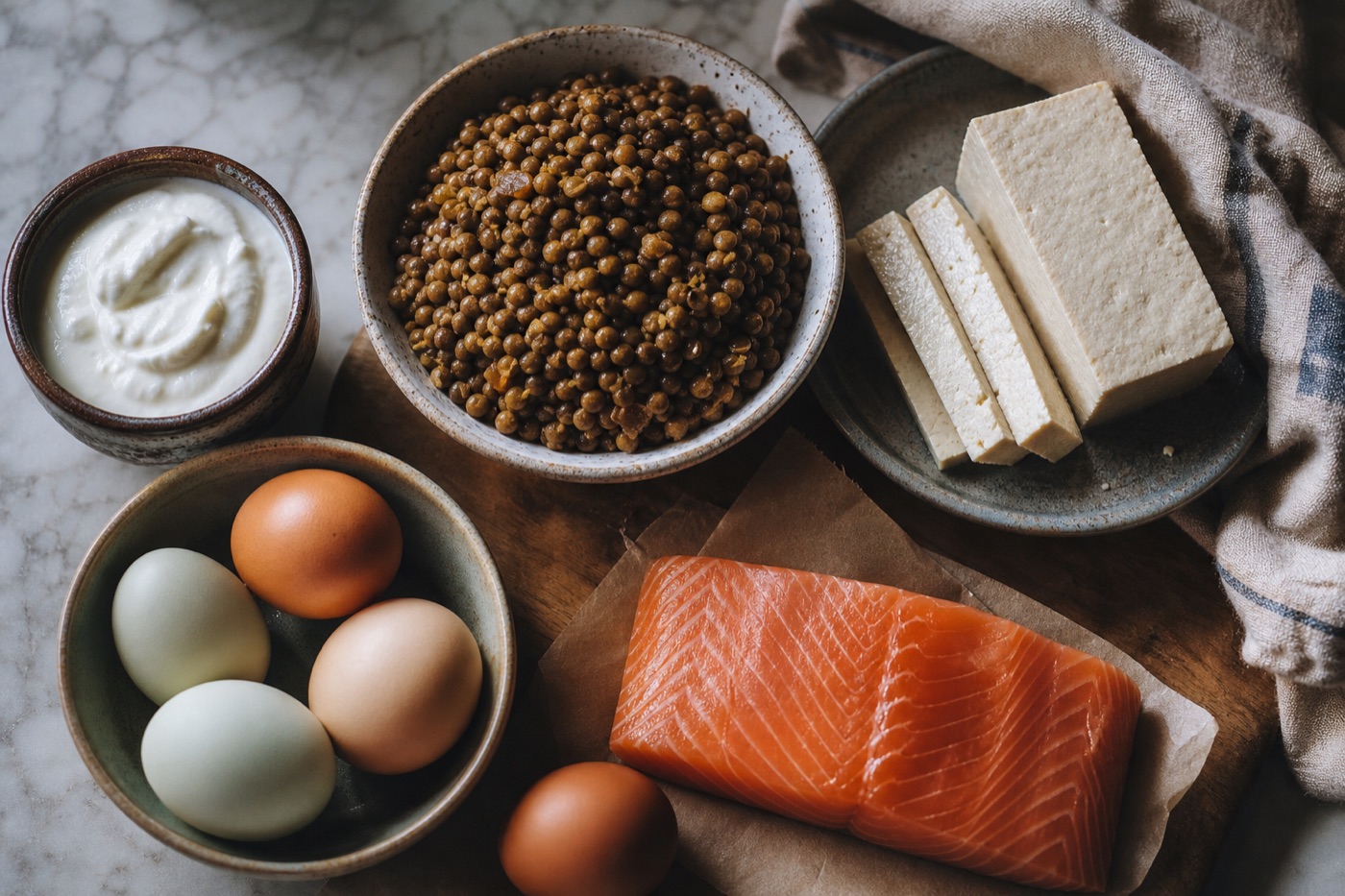
The adult RDA is 0.8 g of protein per kilogram of body weight, about 55 g a day for a 150-pound person. The simplest way to eat more is to include a protein food at every meal and snack: eggs, Greek yogurt, beans, lentils, tofu, fish, poultry or lean meat. Spread it through the day.
 How-To
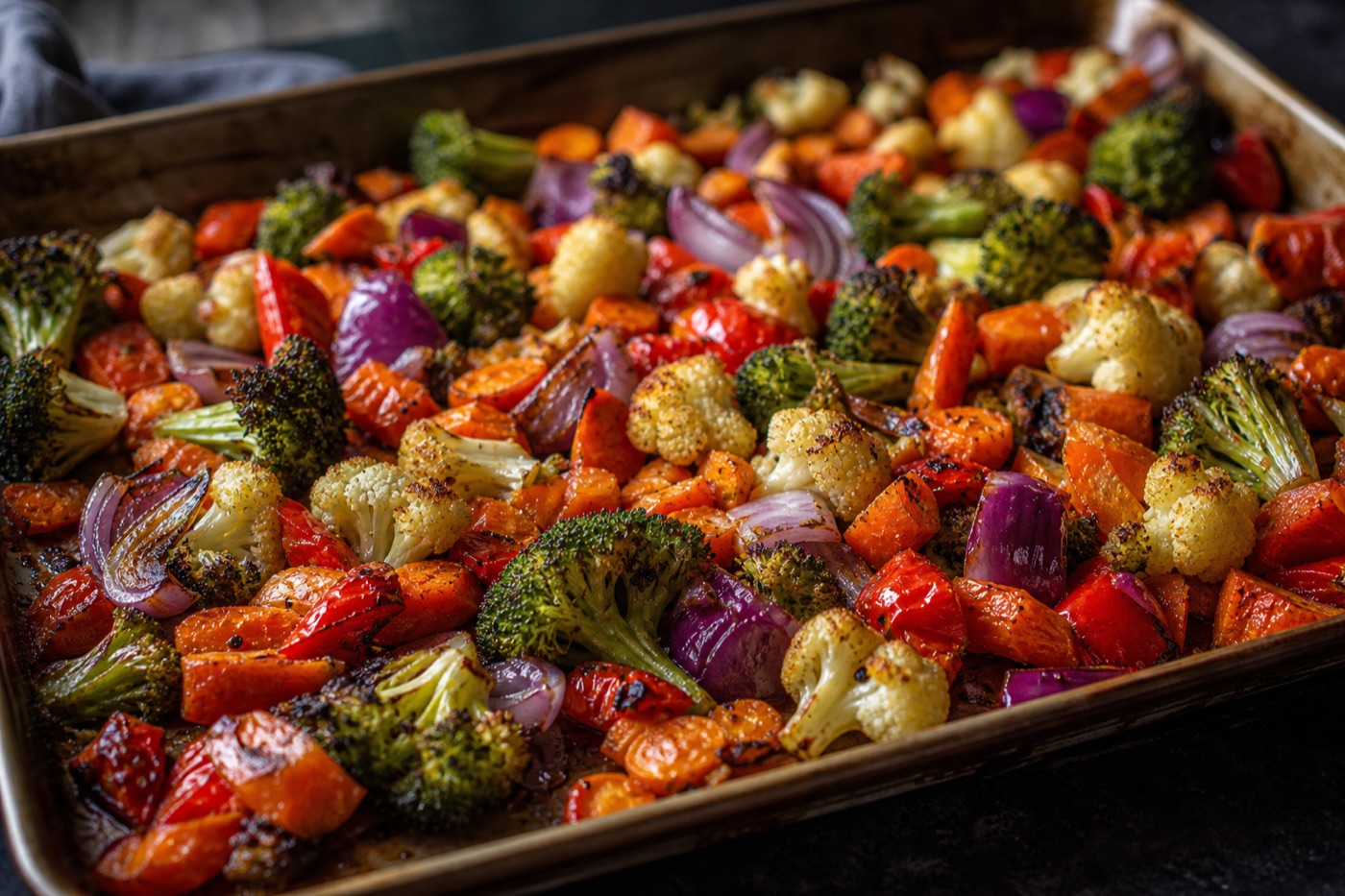
Most adults need about 2.5 cups of vegetables a day on a 2,000-calorie diet. Get there by adding a vegetable to every meal, keeping frozen vegetables on hand, roasting with olive oil and salt, blending vegetables into sauces and soups, and snacking on raw vegetables with a dip. Fresh, frozen and canned all count.
 How-To
Start small. Fill half your plate with vegetables and fruit, choose whole grains more often, include a protein at each meal, and swap sugary drinks for water. Change one or two habits at a time, keep foods you enjoy, and build from there instead of following a strict diet.
 How-To
Decide why you are tracking, then choose the simplest method that fits: a notebook, meal photos or an app. Log food as you eat it, note amounts, drinks and extras, and add when you ate and how hungry you were. Review once a week and change one thing at a time. Pause if tracking causes stress.