How to Start Eating Healthy Without Overhauling Your Whole Life
Forget the 30-day purge. A healthier way of eating starts with a handful of small, boring, repeatable changes, and here is the order to make them in.
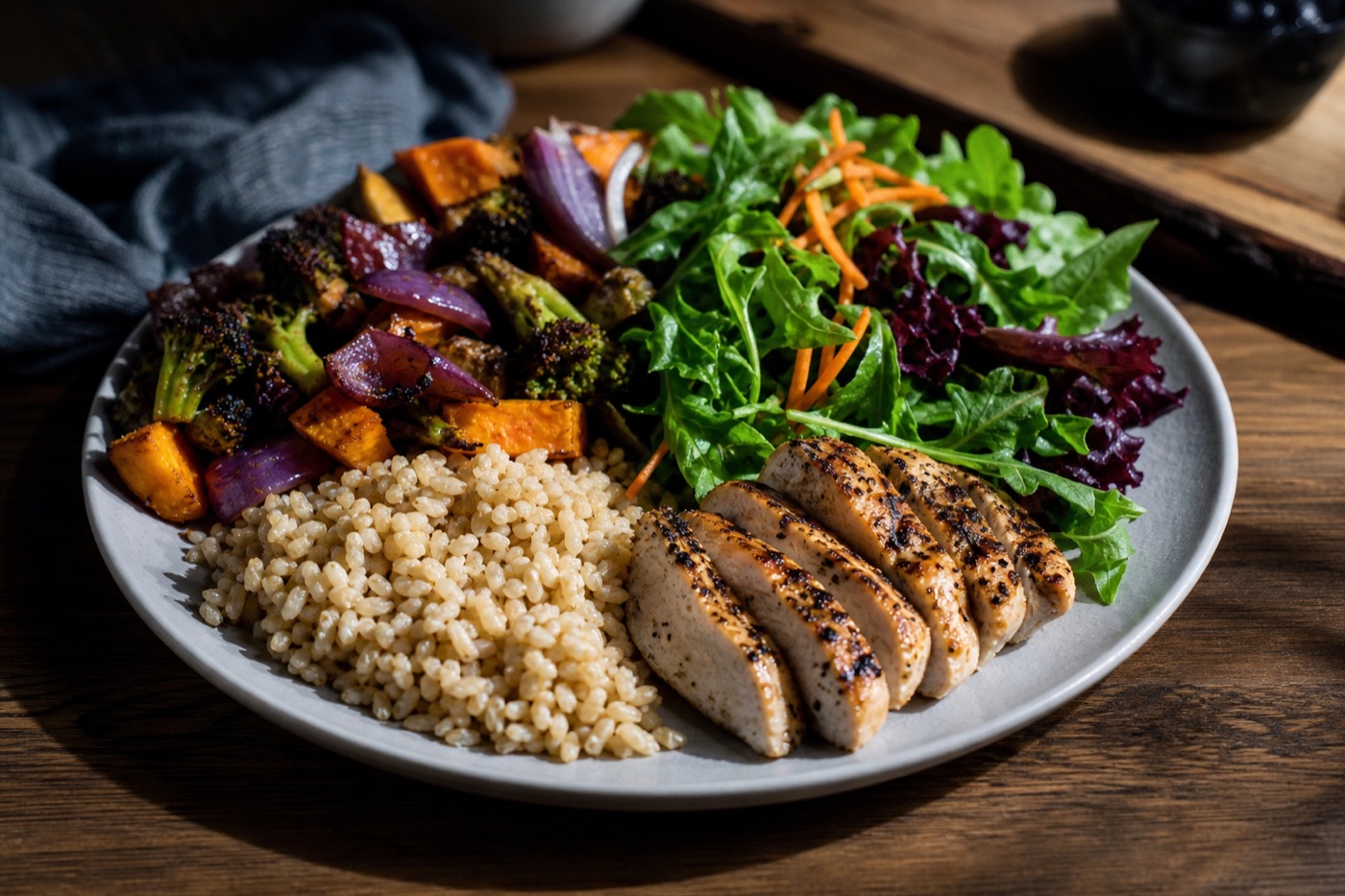
The short answer: do not start with a diet. Start with your plate. Make half of it vegetables and fruit, add a protein, choose whole grains more often and drink water instead of soda. Change one or two things at a time, and keep the foods you love in the rotation so the whole project does not collapse by Thursday.
Here is a practical order of operations.
1. Take an honest look at what you eat now
Before changing anything, notice a typical few days. Which meals are rushed? Where do the sweet drinks, takeout and late-night snacks come in? You are not grading yourself; you are finding the two or three spots where a small change would do the most.
2. Learn the plate
MyPlate’s model is the simplest tool in nutrition:
- Half the plate: vegetables and fruit
- A quarter: grains, ideally whole grains
- A quarter: protein, such as beans, fish, chicken, eggs, tofu or lean meat
- On the side: dairy or a fortified soy alternative
You do not need to hit it perfectly at every meal. Use it as a check: if dinner is mostly beige, add something green.
3. Add before you subtract
Taking foods away feels like punishment. Adding feels like progress. Start by putting a vegetable on your lunch plate, a piece of fruit with breakfast, or a handful of beans in your soup. Once vegetables are taking up more room, there is naturally less room for everything else. Our guide on how to eat more vegetables has dozens of low-effort ways to do this.
4. Fix your drinks
Sugary drinks are one of the largest sources of added sugar in American diets, according to the Dietary Guidelines for Americans. Swapping soda, sweet tea or sweetened coffee drinks for water, sparkling water or unsweetened tea is one of the highest-impact changes you can make. Taper if you need to; there is a step-by-step plan in how to cut back on sugar.
5. Put protein in every meal
Protein helps meals feel satisfying, which makes the rest of the plan easier. That might mean eggs or yogurt at breakfast, beans or chicken at lunch, and fish or tofu at dinner. See how to eat more protein for easy ways to get there.
6. Learn three or four go-to meals
You do not need a cookbook. You need a few dependable dinners you can make tired. Good starting points: a sheet pan of vegetables with chicken or chickpeas; a stir-fry with frozen vegetables and eggs over rice; a big pot of bean soup; whole-grain pasta with tomato sauce and spinach. Rotate them and add new ones slowly.
7. Shop with a plan
What is in the kitchen is what you eat. Write a list built around your go-to meals, keep fruit visible, and stock easy healthy staples such as frozen vegetables, canned beans, oats and eggs. Our guide on how to build a healthy grocery list walks through it section by section.
8. Read three things on a label
You do not need to decode everything. On the Nutrition Facts label, look at:
- Serving size, so the numbers make sense
- Added sugars, aiming to keep the day under 10 percent of calories
- Sodium, aiming to stay under 2,300 milligrams a day
9. Keep the treats
Healthy eating is a pattern over weeks, not a single meal. Keep the foods you enjoy, eat them on purpose, and skip the guilt. Rigid rules tend to backfire.
10. Track lightly if it helps
Writing down what you eat for a week, or snapping photos of meals, can reveal patterns you would never spot otherwise. If you want something more structured, see our pick of food tracking apps. If tracking makes you anxious, skip it.
An example starter day
| Meal | What it might look like |
|---|---|
| Breakfast | Oatmeal with a sliced banana and a spoon of peanut butter |
| Lunch | Whole-grain wrap with hummus, chicken or beans, and a big handful of greens |
| Snack | An apple and a small handful of almonds |
| Dinner | Salmon or tofu, roasted vegetables and brown rice |
| Drinks | Water, sparkling water, coffee or tea without much sugar |
Who should get personal advice
If you have diabetes, kidney disease, heart disease, food allergies, are pregnant, or have a history of disordered eating, talk with your doctor or a registered dietitian before making big changes. They can tailor these basics to you.
The short version
Build your plate around vegetables and fruit, add protein and whole grains, drink water, and change only one or two habits at a time. Keep a few simple meals on repeat, shop with a list and leave room for foods you love. Slow and steady is the whole secret.
Your questions, answered
- What is the easiest way to start eating healthy?
- Pick one meal and improve it, usually breakfast or lunch, by adding a vegetable or fruit and a protein. Once that feels automatic, move to the next meal. Small changes you keep beat big changes you abandon.
- Do I need to cut out carbs to eat healthy?
- No. The Dietary Guidelines include grains, fruits, starchy vegetables and dairy, all of which contain carbohydrates. The shift is toward whole grains, beans and produce, and away from refined grains and added sugars.
- Do I have to count calories to eat healthy?
- Not necessarily. Many people improve their diet simply by changing what is on the plate. Counting or tracking can help if you have a specific goal or want to learn about portions, but it is a tool, not a requirement.
- How long does it take to build healthy eating habits?
- It varies a lot from person to person and habit to habit. Expect some weeks of conscious effort before a change feels routine, and expect slip-ups along the way. Consistency over months matters far more than a perfect week.
Sources
General information, not medical advice. If a food decision depends on your health, talk to a doctor or registered dietitian.
Nell writes the How-To guides: budgets, grocery lists, eating out and fitting good food into a busy week.
More from Nell
More from The Healthy Eaters
- How to Build a Healthy Grocery List You Will Actually Use
A good grocery list is the most underrated health tool in your kitchen. Here is how to write one in 15 minutes, with a template you can copy. - How to Count Calories Accurately, Without Making It Your Whole Personality
Calorie counting is a useful tool for learning portions and reaching a goal. Done carelessly, it is guesswork with extra steps. Here is how to do it well. - How to Cut Back on Sugar Without Declaring War on Dessert
Most added sugar does not come from the cake you see coming. It comes from drinks, breakfast and snacks. Start there, taper slowly and keep the treats you love. - How to Eat Healthy at Restaurants Without Ordering a Sad Salad
Restaurant meals tend to be bigger, saltier and richer than what you cook at home. A few ordering habits handle most of that, and you still get dinner out.