Is Quinoa Healthy? The Seed That Eats Like a Grain
Quinoa arrived with a superfood halo. Strip the hype away and you still find a sturdy, gluten-free staple that beats white rice on protein, fiber and minerals.
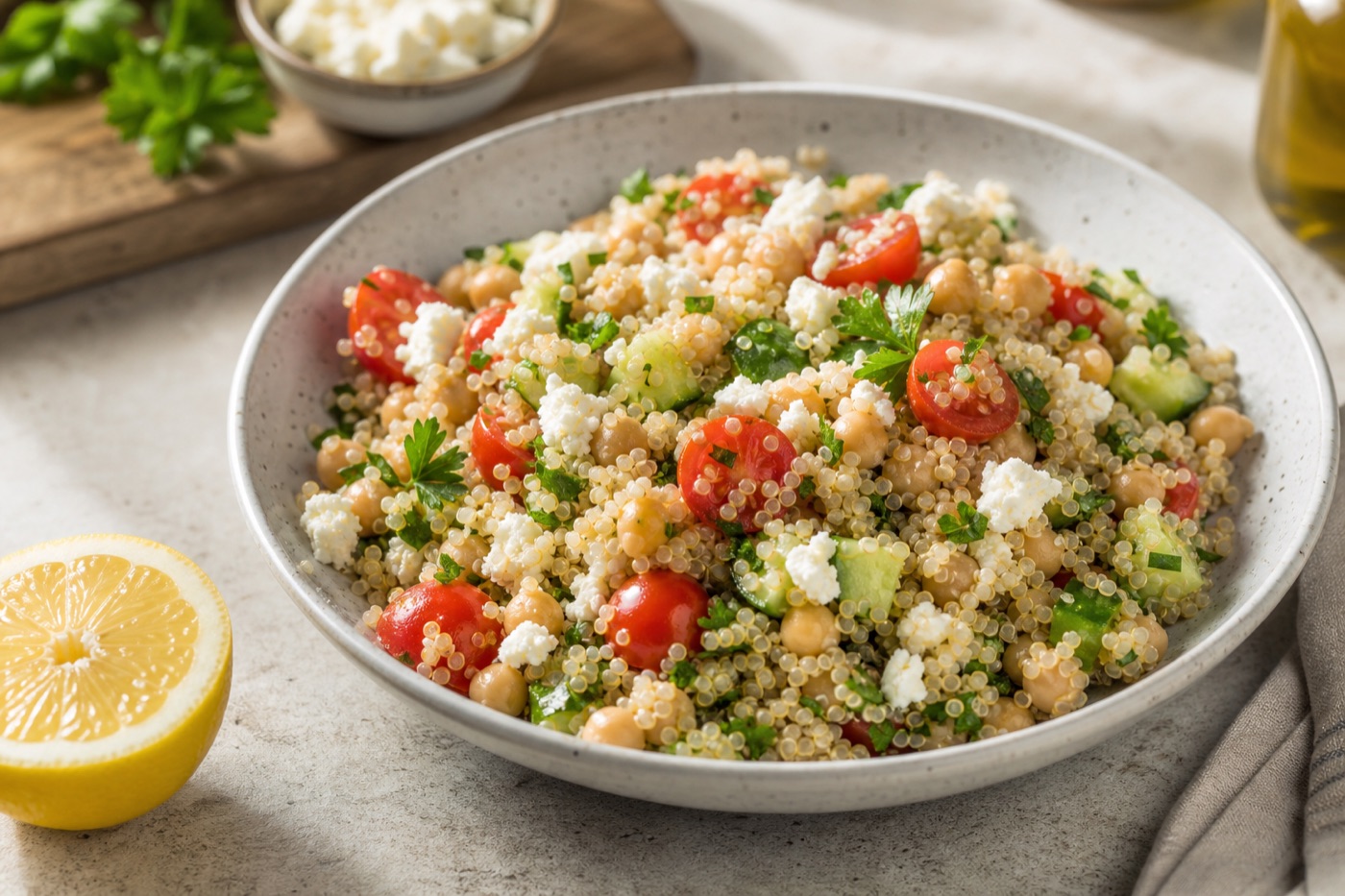
Quinoa is healthy, though not magic. Botanically it is a seed related to spinach and beets, but it cooks and eats like a grain, and it delivers more protein, fiber and minerals than white rice for a similar number of calories. Its reputation as a superfood oversold it a little; its real strength is being an easy, gluten-free base that makes a meal more nourishing.
What’s in it
One cup of cooked quinoa, about 185 grams, has around 220 calories, 39 grams of carbohydrate, about 8 grams of protein, about 5 grams of fiber and around 3.5 grams of fat, based on typical USDA FoodData Central values. The same cup supplies roughly 118 milligrams of magnesium, close to 30% of the Daily Value, about 2.8 milligrams of iron, plus folate, phosphorus, zinc and a large share of the day’s manganese.
How it compares
| Cooked, 1 cup | Calories | Protein | Fiber |
|---|---|---|---|
| Quinoa | about 220 | about 8 g | about 5 g |
| Brown rice | about 220 | about 5 g | about 3.5 g |
| White rice | about 205 | about 4 g | under 1 g |
| Whole-wheat pasta | about 175 | about 7.5 g | about 6 g |
| Couscous | about 175 | about 6 g | about 2 g |
Quinoa does not save calories compared with rice. Where it pulls ahead is protein, fiber and minerals per bite.
The good
Complete plant protein. Quinoa contains all nine essential amino acids, so it is a useful building block for vegetarian and vegan meals, especially alongside beans, lentils or tofu.
Fiber that fills. Five grams a cup helps meals feel substantial and supports digestion. Most Americans fall short on fiber, and quinoa is an easy way to add some.
Naturally gluten-free. For people with celiac disease or gluten sensitivity, quinoa is a versatile alternative to wheat-based grains. Look for products labeled gluten-free to avoid cross-contact during processing.
Quick to cook. It is ready in about 15 minutes, keeps well in the fridge for several days and works hot or cold.
The catch
Calories like any grain. A restaurant grain bowl can hold two cups or more of quinoa before the dressing, cheese and toppings arrive.
Bitterness if unrinsed. Saponins on the seed coat taste soapy. Rinse in a fine sieve unless the package says pre-rinsed.
Oxalates. Quinoa contains a moderate amount of oxalate. That does not matter for most people, but anyone prone to calcium-oxalate kidney stones should ask their doctor or a dietitian how much to include.
Price. It usually costs more per serving than rice or oats. If budget is tight, beans and brown rice cover similar ground; see how to eat healthy on a budget.
How to eat it well
- Rinse, then toast. A minute in a dry pan before adding water brings out a nutty flavor.
- Cook it in broth for more flavor without extra fat, or in water with a bay leaf and a pinch of salt.
- Measure the portion. Half a cup to a cup cooked is a typical serving alongside protein and vegetables.
- Build a bowl. Quinoa with roasted vegetables, chickpeas, greens and a spoon of hummus makes a complete lunch.
- Use it at breakfast. Simmer it in milk with cinnamon and top with fruit for a change from oatmeal.
- Cook once, eat three times. A pot made on Sunday can go into salads, soups and stir-fries through the week.
Who should go easy
People with a history of kidney stones should check with their care team about oxalate. Anyone with celiac disease should buy certified gluten-free quinoa. A small number of people find quinoa causes digestive upset, often from saponins or the sudden extra fiber; rinsing well and starting with small portions helps.
The verdict
Quinoa is a healthy staple that earns its place without the superfood marketing. It matches rice on calories but brings more protein, fiber, magnesium and iron, and it suits gluten-free and plant-based eating. Rinse it, measure it and build a colorful plate around it.
Your questions, answered
- Is quinoa healthier than rice?
- Cup for cooked cup, quinoa has about the same calories as rice but roughly twice the protein of white rice and several times the fiber, plus more magnesium and iron. Brown rice narrows the gap. Both can be part of a healthy diet.
- Is quinoa a complete protein?
- Yes. Quinoa contains all nine essential amino acids, which is unusual for a plant food. Its total protein per serving is still moderate, so pair it with beans, tofu, eggs, fish or dairy if you want a high-protein meal.
- Do you have to rinse quinoa?
- Quinoa seeds carry a natural bitter coating called saponin. Many brands sell it pre-rinsed, but a quick rinse in a fine sieve removes any remaining bitterness and does no harm.
- Is quinoa good for weight loss?
- It can fit. Its protein and fiber make it more filling than refined grains, but its calories are similar to rice and pasta, so a measured portion of about half to one cup cooked works better than a heaped bowl.
Sources
- USDA FoodData Central
- Harvard T.H. Chan School of Public Health, The Nutrition Source
- Dietary Guidelines for Americans
- National Kidney Foundation
General information, not medical advice. If a food decision depends on your health, talk to a doctor or registered dietitian.